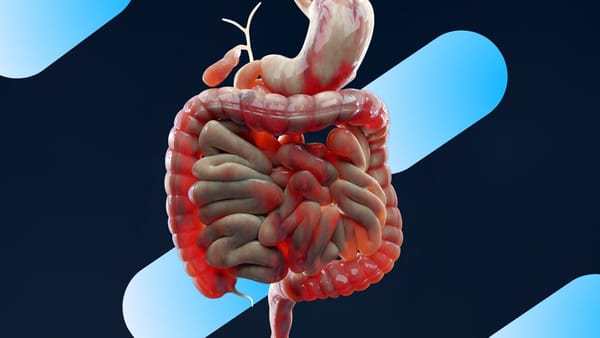
Gut Dysbiosis vs. SIBO
If you're struggling with bloating, gas, digestive discomfort, or fatigue, your gut may be trying to tell you something important. Two common yet often misunderstood gut conditions, gut dysbiosis and SIBO (Small Intestinal Bacterial Overgrowth), can cause a wide range of symptoms that disrupt daily life. While they share some similarities, they are not the same, and understanding the difference is crucial for getting the right treatment.
What Is Gut Dysbiosis?
Gut dysbiosis refers to an imbalance in the microbial ecosystem of your gastrointestinal tract. Your gut is home to trillions of microorganisms, bacteria, viruses, fungi, and more, that play a crucial role in digestion, immune function, hormone regulation, and even mood. When the ratio of beneficial to harmful microbes becomes skewed, it can lead to inflammation, poor nutrient absorption, and a variety of chronic symptoms.
Common Causes of Gut Dysbiosis:
- Antibiotic use
- Chronic stress
- Poor diet (high sugar, processed foods)
- Environmental toxins
- Food intolerances
- Chronic infections
Symptoms of Gut Dysbiosis:
- Bloating and gas
- Brain fog
- Skin issues (like acne or eczema)
- Fatigue
- Sugar cravings
- Diarrhea or constipation
- Weakened immune response
What Is SIBO?
SIBO, or Small Intestinal Bacterial Overgrowth, is a specific type of dysbiosis where bacteria that are normally found in the large intestine start multiplying in the small intestine, where they don't belong. This overgrowth interferes with digestion and nutrient absorption, leading to a cascade of symptoms.
SIBO is essentially a location-specific dysbiosis.
Common Causes of SIBO:
- Impaired gut motility (slow digestion)
- Food poisoning or gastroenteritis
- Structural abnormalities (like adhesions from surgery)
- Low stomach acid
- Use of certain medications (e.g., PPIs, antibiotics)
Symptoms of SIBO:
- Excessive bloating, especially after meals
- Gas and burping
- Abdominal pain or distention
- Diarrhea, constipation, or both
- Nutrient deficiencies (B12, iron)
- Fatigue and weakness
Why the Distinction Matters
While both gut dysbiosis and SIBO can cause similar digestive complaints, the treatment approaches are very different.
- Treating SIBO often involves antimicrobial therapy (herbal or prescription), a specific diet, and motility support.
- Addressing dysbiosis focuses more on diversifying the gut flora, reducing inflammation, and healing the gut lining.
Without proper testing and diagnosis, many people waste months or even years trying the wrong treatments, or worse, masking symptoms with medications that don't address the root cause.
| Feature | Gut Dysbiosis | SIBO |
|---|---|---|
| Location | Can occur throughout the GI tract | Specifically in the small intestine |
| Cause | Imbalance in gut microbiome | Bacterial overgrowth in the wrong location |
| Symptoms | General gut and systemic issues | Post-meal bloating, malabsorption, gas |
| Testing | Stool tests (GI-MAP, GI Effects) | Breath test (glucose/lactulose) |
| Treatment Focus | Restore microbial balance | Reduce overgrowth, improve motility |
How We Can Help
At Progressive Medical Center, we specialize in advanced functional testing that allows us to identify which type of imbalance you're dealing with, whether it's general dysbiosis, SIBO, or a combination of both.
Our integrative approach includes:
- Comprehensive Diagnostic Testing
- Nutrition counseling and therapeutic diets
- Customized supplementation
- Gut-healing protocols
- Lifestyle and stress management tools
Don't settle for vague diagnoses or short-term symptom relief. If you've been told you have IBS, but still struggle with symptoms, it's time to dig deeper. Schedule your gut health consultation today and let's identify what's really behind your symptoms, and help you heal from the inside out.