Chiropractic Care
Our chiropractic care now operates as MaxLiving Dunwoody, with Dr. Brad Anchors continuing as your chiropractor. Same doctor, same location, same way to book. Integrative chiropractic that works alongside your full care team to restore function, relieve pain, and support your body's capacity to heal.
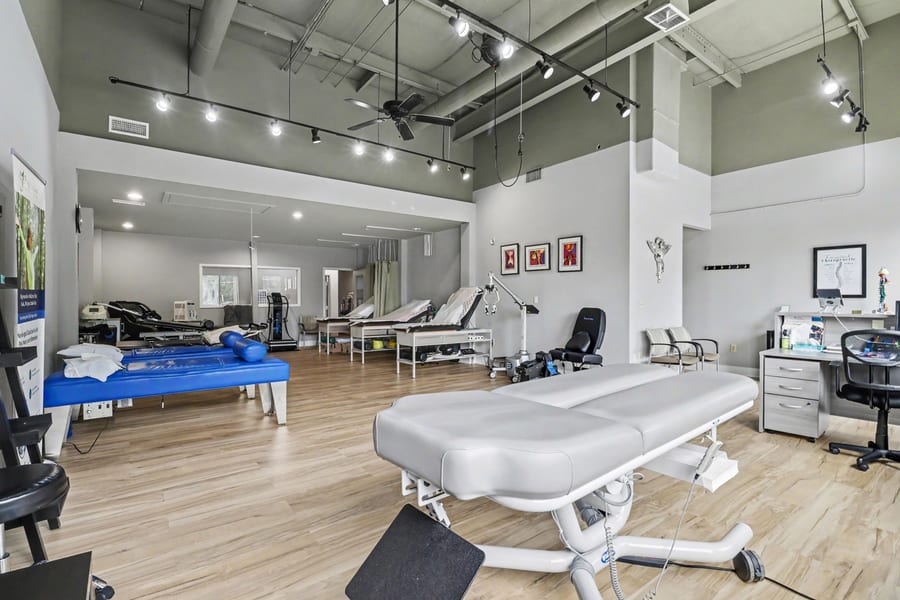
Chiropractic Care That Goes Beyond the Adjustment
Chiropractic care at Progressive Medical Center now operates as MaxLiving Dunwoody, part of the MaxLiving network of chiropractic clinics. Dr. Brad Anchors remains your chiropractor, the office is in the same building, and you book the same way. What the change brings is a framework: MaxLiving's 5 Essentials™ organize care around building a strong foundation for health, and they line up closely with the whole-person, root-cause approach Progressive has practiced for nearly three decades.
Chiropractic care focuses on removing interference within the nervous system so your body can heal and function the way it was designed to. At MaxLiving Dunwoody that work does not happen in isolation. Dr. Anchors is part of Progressive's multidisciplinary medical team, which means your care plan can draw on diagnostic testing, IV therapy, infrared sauna, hyperbaric oxygen, and other clinical therapies that most chiropractic offices simply cannot offer.
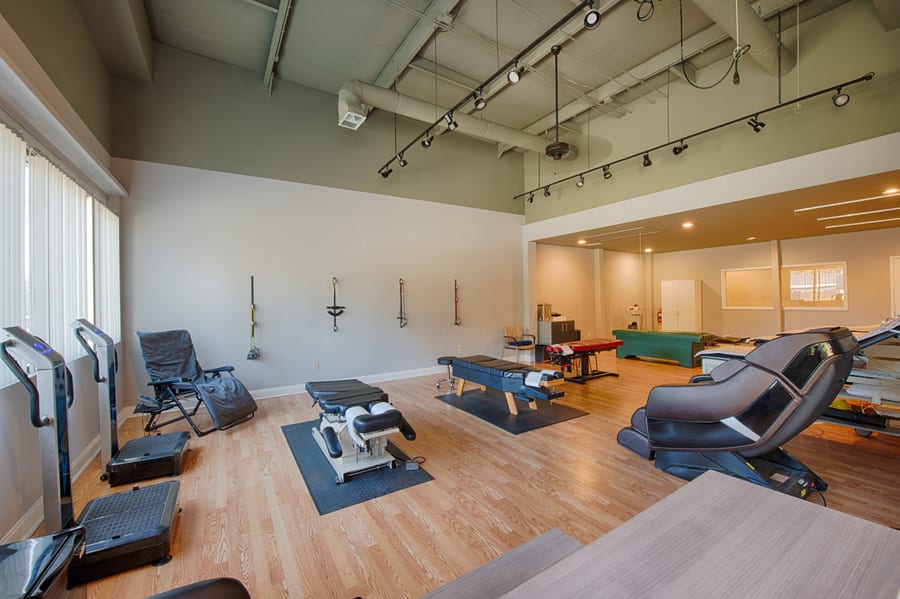
Care for the Spine, Backed by a Full Medical Team
There is an intimate relationship between the spine, the nervous system, and the rest of the body. Disruptions in spinal alignment affect nerve signaling that controls everything from digestion and immune response to energy and mood. Chiropractic at MaxLiving Dunwoody addresses those disruptions while the rest of the team addresses the broader picture, whether that is chronic pain, autoimmune issues, or recovery from injury.
For patients who have tried chiropractic elsewhere and plateaued, or who are dealing with complex conditions that a standard adjustment cannot resolve alone, PMC and MaxLiving Dunwoody offer something different: chiropractic care backed by the full resources of an integrative medical center.

Dr. Bradley Anchors, DC
Chiropractor | MaxLiving Dunwoody at Progressive Medical Center
Dr. Brad Anchors graduated from Life University's School of Chiropractic in Marietta, Georgia, in 1997 and spent 25 years in private practice serving the Dunwoody community before joining Progressive Medical Center. He continues as the chiropractor at MaxLiving Dunwoody, so patients who have seen him here keep seeing him.
His focus is helping patients move better, reduce discomfort, recover from injuries, and hold on to long-term wellness through chiropractic care and practical lifestyle guidance. A former athlete himself, he has completed more than 300 postgraduate course hours in sports-related injuries and works often with athletes and active adults dealing with aches, pain, and movement limitations.
At MaxLiving Dunwoody, Dr. Anchors works inside Progressive's integrative model, which means his chiropractic care can be coordinated with functional medicine, diagnostic testing, and personalized treatment planning under one roof. Outside the clinic, he enjoys tennis and fly fishing.
The 5 Essentials
MaxLiving's 5 Essentials are a whole-person framework for building a strong foundation for health. Each one shapes how Dr. Anchors builds your care plan, and each has a natural counterpart in the care already offered at Progressive Medical Center.
Core Chiropractic
Keeping the spine and nervous system free of interference so the body can heal and function the way it was designed to. This is the foundation the other four essentials build on.
Nutrition
Giving the body what it needs to heal, sustain energy, and reduce inflammation. Progressive's registered dietitians and nutrition counseling support this essential directly.
Mindset
Addressing stress and the daily habits that shape health. A steady mindset makes it easier to follow through on the choices that support recovery.
Oxygen & Exercise
Keeping the body moving and well supplied with oxygen through regular activity. Movement supports circulation, joint health, and the results of chiropractic care.
Minimize Toxins
Reducing the environmental and dietary load the body has to process. Progressive's diagnostic testing can identify specific burdens and guide a plan to lower them.
See how it works at Progressive Medical Center.
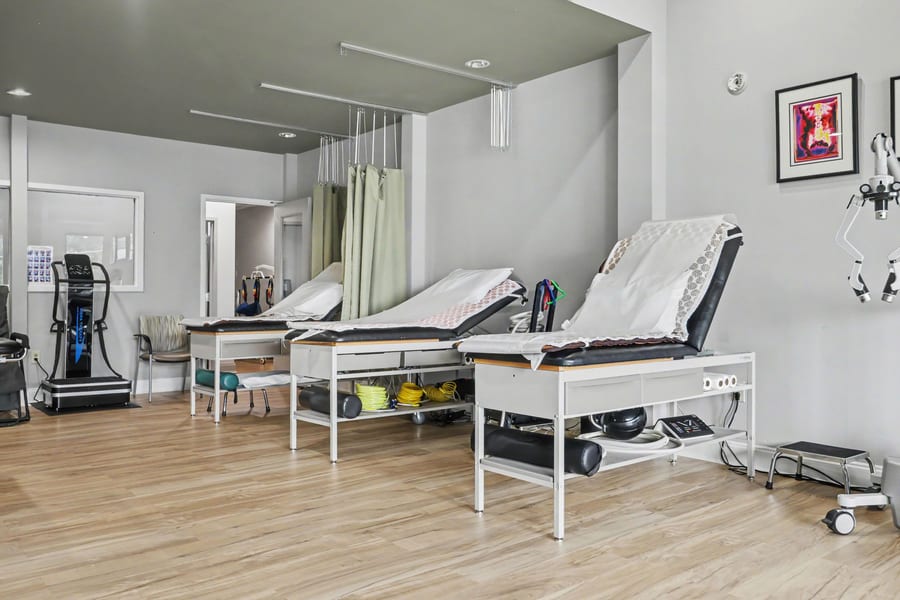
Neuromechanical Impulse Treatment
Dr. Anchors uses Neuromechanical Impulse Treatment, an approach that combines elements of neurology and biomechanics to address neuromusculoskeletal conditions at their source. Rather than blocking or dulling nerve response, mechanical impulse adjustments restore systemic motion to optimize neurological function throughout the nervous system.
Every new chiropractic patient undergoes a thorough evaluation: a consultation, comprehensive physical and neurological examination, functional movement screening, and spinal radiographs measured for structural abnormalities. This diagnostic foundation allows your Doctor of Chiropractic to formulate a precise diagnosis and build a treatment plan around what the data reveals, not what a generalized protocol suggests.
Based on those findings, your provider develops a plan that may combine chiropractic adjustments with adjunctive therapies designed to enhance the rate of repair, restoration, and recovery. That is where Progressive's integrative model becomes a real advantage.
Why Patients Pursue Chiropractic at MaxLiving Dunwoody
When spinal alignment and nervous system function are compromised, the effects reach far beyond back pain. Core Chiropractic, the first of the 5 Essentials, supports healing across multiple systems.
Relieve Chronic Pain
Back pain, neck pain, headaches, sciatica, and joint stiffness are among the most common reasons patients seek chiropractic care. By restoring proper spinal alignment and reducing nerve interference, adjustments address the mechanical source of pain rather than masking it with medication.
Restore Nervous System Function
The spine protects the spinal cord, the central highway for nerve signals between the brain and the rest of the body. When vertebral subluxations interfere with that signaling, the effects can show up as digestive issues, immune dysfunction, fatigue, or mood disturbances. Correcting alignment restores the body's communication pathways.
Improve Mobility and Range of Motion
Restricted movement, stiffness, and reduced range of motion often result from joint dysfunction and soft tissue tension. Chiropractic adjustments combined with targeted therapies restore mechanical motion, helping patients move freely and without compensation patterns that lead to secondary injuries.
Support Injury Recovery
Whether from athletics, accidents, or repetitive strain, musculoskeletal injuries heal faster when the spine and joints are properly aligned. Chiropractic care reduces inflammation around the injury site, improves circulation, and allows the body's repair mechanisms to work without structural interference.
Reduce Dependence on Medication
Many patients arrive at PMC looking for an alternative to long-term pain medication or repeated steroid injections. Chiropractic care offers a non-pharmaceutical approach to managing pain and dysfunction, often reducing or eliminating the need for medications that only address symptoms.
Enhance Overall Wellness
Chiropractic is not only for people in pain. Regular care supports nervous system health, improves posture, enhances sleep quality, and helps the body manage stress more effectively. For PMC patients being treated for other conditions, chiropractic often serves as a foundational component of their broader care plan.
Adjunctive Therapies Available to Chiropractic Patients
Your chiropractic treatment plan at MaxLiving Dunwoody can include clinical therapies that accelerate healing, reduce inflammation, and address issues that adjustments alone cannot fully resolve.
Spinal Decompression
Non-surgical mechanical therapy that gently stretches the spine to relieve pressure on compressed discs, nerves, and joints. Used for herniated and bulging discs, sciatica, degenerative disc disease, spinal stenosis, facet joint syndrome, and failed back surgery syndrome. Sessions run 45 minutes to an hour and typically include a chiropractic adjustment followed by decompression and supporting therapies. Most patients complete 12 to 25 sessions over several weeks depending on whether the condition is cervical or lumbar.
Knee on Trac
Computerized traction system (Knee on Trac by Ergo-Flex) that creates gentle separation within the knee joint capsule. Reduces pressure, improves circulation, and stimulates the production of synovial fluid. Used for chronic knee pain, osteoarthritis, meniscus tears, ligament injuries, post-surgical stiffness, cartilage degeneration, runner's knee, and bursitis. Sessions are 10 to 15 minutes and are described by patients as relaxing. Most people notice improvement within the first few treatments.
Infrared Sauna
Far infrared wavelengths penetrate deep into tissue, promoting circulation, reducing muscle tension, and accelerating the body's natural recovery processes. Infrared sauna sessions complement chiropractic care by helping relax tight musculature before or after adjustments.
Learn moreHyperbaric Oxygen Therapy
Pressurized oxygen delivery promotes tissue repair, reduces inflammation, and supports healing at the cellular level. HBOT is particularly valuable for chiropractic patients recovering from injuries, dealing with neuropathy, or managing conditions where oxygen deprivation is a contributing factor.
Learn moreLaser and Shockwave Therapy
Therapeutic laser and extracorporeal shockwave therapy deliver targeted energy to injured tissues, stimulating cellular repair, reducing pain, and breaking down scar tissue. Both are used alongside chiropractic care for soft tissue injuries, tendinopathy, and chronic musculoskeletal conditions.
PEMF and Bioelectric Therapy
Pulsed electromagnetic field therapy and bioelectric modalities support tissue healing, reduce inflammation, and improve nerve function at the cellular level. These therapies complement the structural corrections made through chiropractic adjustments by addressing the bioelectric environment of the injured tissue.
Conditions We Treat With Chiropractic Care
Dr. Anchors treats a wide range of musculoskeletal and systemic conditions, from common back and neck pain to complex disc and joint problems.
What to Expect
Every patient at MaxLiving Dunwoody starts with a thorough evaluation. No adjustments are made until Dr. Anchors understands exactly what your body needs.
Comprehensive Evaluation
Your first visit includes a consultation, comprehensive physical and neurological examination, and a functional movement screen. Spinal radiographs are taken and measured for structural abnormalities. This diagnostic foundation ensures your treatment plan is built on data, not assumptions.
Diagnosis and Treatment Plan
Your Doctor of Chiropractic reviews the examination findings, formulates a diagnosis, and identifies the underlying causes of your pain or dysfunction. They then build a treatment plan that may include chiropractic adjustments, spinal decompression, therapeutic modalities, and coordination with other PMC providers if your case involves conditions beyond the musculoskeletal system.
Active Treatment
Treatment frequency and duration depend on the severity and complexity of your condition. Sessions typically involve Neuromechanical Impulse adjustments combined with any adjunctive therapies your provider has recommended. Progress is monitored throughout, and your plan is adjusted as your body responds and structural improvements are confirmed on follow-up imaging.
Ongoing Care and Prevention
Once the acute issue is resolved, many patients transition to a maintenance schedule to preserve their progress and prevent recurrence. Your chiropractor may recommend periodic adjustments, exercises, ergonomic modifications, and coordination with other PMC services like nutrition counseling or diagnostic monitoring to keep your body functioning at its best.

Chiropractic Inside an Integrative Medical Center
Most chiropractic clinics are standalone practices. The chiropractor works alone, with limited diagnostic tools and no access to complementary medical therapies. When a patient's condition involves more than a structural issue, the chiropractor's only option is to refer out.
MaxLiving Dunwoody operates inside Progressive Medical Center, so chiropractic is one part of a comprehensive care model. Your chiropractor can order advanced diagnostic tests, coordinate with naturopathic physicians and nurse practitioners, and incorporate therapies like spinal decompression, PEMF, hyperbaric oxygen, infrared sauna, and IV support directly into your treatment plan. The patient never has to leave the building or start over with a new provider.
Nearly three decades of integrative practice, multiple medical disciplines under one roof, and a complete support system built around the whole person, not just the spine.
Integrative Chiropractic vs. Standalone Clinics
Chiropractic care is valuable in any setting. But when it operates inside a full medical team, the possibilities expand significantly.
Standalone Chiropractic
- Adjustments and basic modalities only
- Limited diagnostic tools (X-ray, sometimes MRI referral)
- Refers out for conditions beyond MSK scope
- No access to IV therapy, HBOT, or advanced clinical therapies
- No coordination with other medical disciplines on-site
- Treatment plan limited to what one provider can offer
MaxLiving Dunwoody at PMC
- Neuromechanical Impulse adjustments plus multiple adjunctive therapies
- Advanced diagnostic testing including full bloodwork and functional panels
- On-site multidisciplinary team of doctors, naturopaths, and specialists
- Spinal decompression, Knee on Trac, HBOT, infrared sauna, PEMF, and more under one roof
- Coordinated care with NDs, NPs, RDs, and diagnostics specialists
- Treatment plan built around the whole patient, not just the spine
My experience as a chiropractic patient at Progressive has been amazing for my back health.
Therapies That Support Chiropractic Care
Chiropractic adjustments work best as part of a coordinated plan. These therapies are commonly combined with chiropractic care to accelerate healing and address conditions from multiple angles.
Diagnostic Testing
Advanced functional diagnostics provide the data foundation for your chiropractic care plan. Beyond spinal imaging, PMC's testing can identify inflammatory markers, nutritional deficiencies, and systemic issues that may be contributing to your musculoskeletal symptoms.
Learn moreHyperbaric Oxygen Therapy
Pressurized oxygen delivery promotes tissue repair, reduces inflammation, and accelerates recovery from injuries and chronic pain conditions. HBOT is frequently combined with chiropractic care for patients dealing with disc injuries, neuropathy, or post-surgical rehabilitation.
Learn moreOzone / Prolozone Therapy
Prolozone injections deliver ozone and nutrients directly into damaged joints and soft tissue, stimulating the body's natural repair processes. For chiropractic patients with joint degeneration, ligament injuries, or chronic pain that adjustments alone cannot fully resolve, prolozone is a powerful complement.
Learn moreChiropractic Care FAQ
What is MaxLiving Dunwoody, and what changes for current chiropractic patients?
MaxLiving Dunwoody is the name Progressive Medical Center's chiropractic care now operates under, as part of the MaxLiving network of chiropractic clinics. For current patients, the essentials stay the same: Dr. Brad Anchors remains your chiropractor, appointments are at the same location, and you book the same way, through the appointment page or by calling (770) 676-6000. What you will notice is the MaxLiving framework, the 5 Essentials, shaping how your care plan is built. You can learn more on the MaxLiving Dunwoody clinic page.
What are the 5 Essentials?
The 5 Essentials are MaxLiving's whole-person framework for building a strong foundation for health. Core Chiropractic keeps the spine and nervous system functioning without interference. Nutrition gives the body what it needs to heal and sustain energy. Mindset addresses stress and the habits that shape health day to day. Oxygen & Exercise keep the body moving and well supplied. Minimize Toxins reduces the environmental and dietary load the body has to process. Progressive has practiced whole-person, root-cause care for nearly three decades, so the 5 Essentials fit naturally alongside the diagnostic testing, nutrition counseling, and clinical therapies already available to you here.
What type of chiropractic adjustments do you use?
Our chiropractors use Neuromechanical Impulse Treatment, which applies precisely targeted mechanical impulses to affected joints and spinal segments. This approach is gentler than traditional manual adjustments while still affecting the nervous system and promoting proper alignment. Your chiropractor tailors the technique to your specific condition, whether that involves the spine, extremities, or both.
What makes chiropractic care at MaxLiving Dunwoody different from a standalone clinic?
At MaxLiving Dunwoody, Dr. Anchors is part of Progressive Medical Center's multidisciplinary medical team, which includes medical doctors, naturopathic physicians, nurse practitioners, registered dietitians, and diagnostic specialists. This means your treatment plan can include advanced diagnostic testing, spinal decompression, Knee on Trac, hyperbaric oxygen therapy, IV support, infrared sauna, and other clinical therapies that standalone chiropractic offices cannot offer. If your condition involves more than a structural issue, you do not need to start over somewhere else.
What happens at my first chiropractic visit?
Your first visit includes a consultation, a comprehensive physical and neurological exam, a functional movement screen, and spinal radiographs that are measured for structural abnormalities. Your Doctor of Chiropractic reviews all findings, formulates a diagnosis, and walks you through a recommended treatment plan before any adjustments are made.
What conditions can chiropractic care help with?
Dr. Anchors treats a wide range of musculoskeletal and systemic conditions, including back pain, neck pain, headaches and migraines, sciatica, disc herniation, scoliosis, carpal tunnel syndrome, shoulder pain, hip and knee pain, whiplash, TMJ disorders, and athletic injuries. Because of the strong connection between the spine and the nervous system, many patients also experience improvements in digestion, energy, sleep, and overall well-being.
What is spinal decompression therapy?
Spinal decompression is a non-surgical mechanical therapy that gently stretches the spine to relieve pressure on compressed discs, nerves, and joints. It is effective for herniated and bulging discs, sciatica, degenerative disc disease, spinal stenosis, facet joint syndrome, and failed back surgery syndrome. Sessions run 45 minutes to an hour and typically include a chiropractic adjustment followed by decompression and supporting therapies. Most patients complete 12 to 25 sessions over several weeks depending on whether the condition is cervical or lumbar.
What is Knee on Trac therapy?
Knee on Trac is a computerized traction system manufactured by Ergo-Flex that creates gentle separation within the knee joint capsule. It reduces pressure, improves circulation, and stimulates the production of synovial fluid. Used for chronic knee pain, osteoarthritis, meniscus tears, ligament injuries, post-surgical stiffness, cartilage degeneration, runner's knee, and bursitis, sessions are short (10 to 15 minutes) and patients typically describe them as relaxing. Most people notice improvement within the first few treatments, with a typical plan running multiple sessions per week over several weeks.
Is chiropractic care safe?
Yes. Chiropractic care is one of the safest non-surgical, drug-free approaches to managing musculoskeletal conditions. Dr. Anchors uses Neuromechanical Impulse Treatment, which delivers precise, controlled mechanical impulses rather than high-force manual manipulation. Your treatment plan is based on a thorough diagnostic evaluation, and your provider monitors your progress and adjusts the approach as your body responds.
How much does chiropractic care cost at PMC?
Chiropractic treatment costs depend on the complexity of your condition and the therapies included in your plan. Your provider discusses the recommended approach and associated costs during your initial consultation. PMC is out-of-network, but we provide superbills for patients to file for insurance reimbursement. Cherry Financing and CareCredit are also available. Visit our Insurance and Financing page for details.
How many visits will I need?
It depends on the nature and severity of your condition. Acute injuries may respond within a handful of visits, while chronic conditions or structural issues typically require a longer course of care. Your Doctor of Chiropractic sets expectations during your initial visit based on diagnostic findings, then monitors your progress with follow-up exams and imaging. Many patients transition to a maintenance schedule after their primary issue is resolved to preserve their results and prevent recurrence.
Ready to Address the Root Cause of Your Pain?
Schedule a consultation with Dr. Anchors at MaxLiving Dunwoody and find out what integrative chiropractic care can do for your body. No referral needed.