Sleep Apnea and Insomnia
Your sleep problems have a root cause. We offer root-cause treatment for sleep apnea, insomnia, and chronic sleep disruption, fixing what is keeping you up at the source so you can stop cycling through sleep aids that leave you more tired than before.
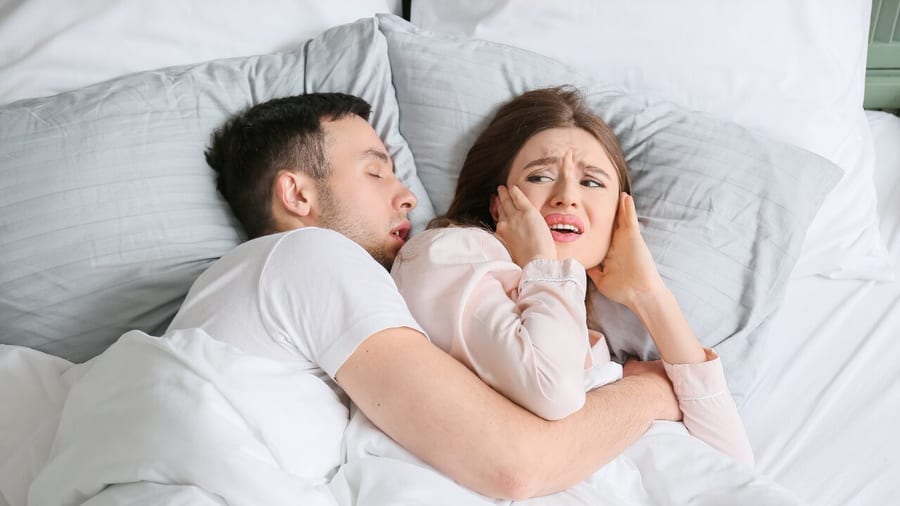
You Have Tried Everything. You Are Still Exhausted.
You have tried melatonin, sleep apps, white noise machines, blackout curtains. You have cut caffeine and started going to bed earlier. Maybe you have tried prescription sleep aids. Maybe you have been handed a CPAP and told to make it work.
You are still exhausted.
Some people wake up more than 100 times a night and never realize it. They get their "eight hours" and still feel like they did not sleep at all. That is not in your head. That is sleep chemistry, hormones, and airway mechanics working against each other, and it can be measured.
Why You Are Not Sleeping
Sleep Problems Rarely Have One Cause
Sleep Apnea: More Than Snoring
Sleep apnea is a breathing disorder. Your airway narrows or collapses repeatedly during the night, interrupting oxygen flow for seconds at a time, sometimes hundreds of times in a single night. Your brain briefly wakes you up to restart breathing, and you usually do not remember any of it. What you do remember is loud snoring, waking up gasping or choking, morning headaches, daytime fatigue, trouble concentrating, and mood changes. There are two main types. Obstructive sleep apnea (OSA) is the more common form and happens when throat muscles relax and block the airway. Central sleep apnea (CSA) is less common and happens when the brain stops sending the right signals to the muscles that control breathing.
Insomnia and Chronic Sleep Disruption
Insomnia is not a character flaw and it is not something you can will your way out of. Quality sleep depends on a precise balance of hormones and neurotransmitters, each with a specific job. When any of them are out of range, sleep suffers. The most common sleep chemistry problems we find in our patients:
- Melatonin decreases with age and with bright-light exposure late at night.
- Progesterone is calming to the brain; low progesterone is a major driver of perimenopausal and menopausal sleep disruption.
- GABA is the brain's primary inhibitory neurotransmitter; without enough of it, the nervous system cannot settle.
- Serotonin is the precursor to melatonin; low serotonin means low melatonin.
- Cortisol should drop at night and rise in the morning; when that rhythm is reversed, you are wired at 11pm and flattened at 8am.
Why Conventional Treatment Falls Short
Conventional sleep care has two main tools: CPAP for sleep apnea, and prescription sleep medication for insomnia. CPAP treats the airway but not the reason the airway is collapsing (weight gain, inflammation, hormonal and metabolic factors). Sleep medication masks the symptom without addressing the chemistry that caused it. And current research suggests that long-term use of common sleep drugs may be associated with increased risk of cognitive decline and dementia, a risk most patients are never told about when the prescription is written.
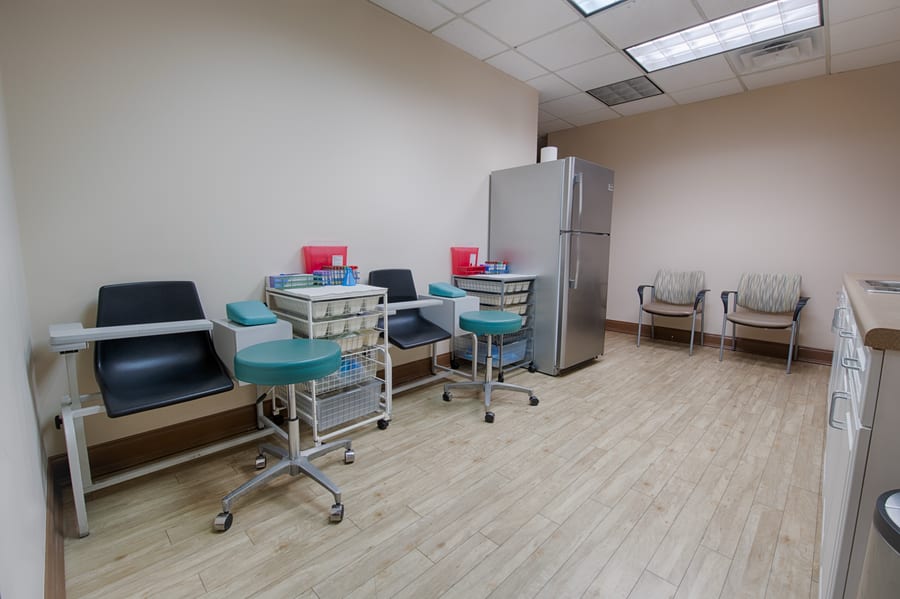
Testing Beyond the Sleep Study
A traditional sleep study asks one question: are you breathing at night? That is a good question, and sometimes it is the only one that needs to be asked. But for most patients with chronic sleep problems, the answer is just the beginning.
The initial consultation with your physician is $250 and includes a full history, symptom review, and a personalized testing plan. We coordinate with your sleep physician when a formal sleep study is needed.
- Full hormone panel Progesterone, estrogen, testosterone, and melatonin levels.
- Diurnal cortisol rhythm Four-point saliva or urinary cortisol, not a single blood draw.
- Complete thyroid panel Free T3, free T4, reverse T3, and thyroid antibodies, not just TSH.
- Neurotransmitter levels GABA and serotonin specifically.
- Inflammatory markers hs-CRP and homocysteine.
- Metabolic markers Fasting insulin, HbA1c, and a comprehensive metabolic panel.
- Airway and structural evaluation When obstructive sleep apnea is suspected, coordinated with a sleep study if needed.
Your Path to Restful Sleep
Comprehensive Sleep Evaluation
Your first visit is a full history and physical. We cover your sleep history, your current symptoms, your prior treatments, your medications, your stress, your cycle (for women), and what a typical night and day look like. This is the intake step most sleep specialists do not make time for.
Root-Cause Identification
Targeted lab work based on your intake. Results typically return within one to three weeks. Most of our sleep patients have multiple overlapping causes (hormones plus cortisol, for example, or thyroid plus GABA). The goal of this step is to stop guessing about which one is driving the problem.
Personalized Treatment Plan
Your plan is built from your results. Options may include hormone optimization (including progesterone and melatonin support), neurotransmitter and amino acid support, targeted supplementation (magnesium, adaptogenic herbs for cortisol rhythm), biofeedback or neurofeedback for sleep architecture, IV nutrient therapy when deficiencies are severe, nutrition and lifestyle adjustments, and NightLase laser therapy for qualifying patients with airway-driven apnea or snoring.
Ongoing Monitoring and Adjustment
You should start seeing changes within the first several weeks. Most patients see significant progress within two to four months. We recheck your labs, adjust your protocol, and taper supports as your baseline stabilizes. The goal is restful sleep you can sustain, not long-term reliance on supplements or medications.
Therapies Used in Sleep Recovery
Hormone Therapy (BHRT)
Progesterone, melatonin, and reproductive hormone support. Primary lever for perimenopausal and menopausal sleep disruption.
Learn moreNaturopathic Medicine
GABA support, magnesium, and adaptogenic herbs for cortisol rhythm restoration.
Learn moreAdvanced Diagnostic Testing
Hormone, neurotransmitter, cortisol, thyroid, and metabolic panels.
Learn moreBiofeedback and Brain Mapping
Neurofeedback for sleep architecture improvement and downregulation of a stuck sympathetic nervous system.
Learn moreIV Nutrient Therapy
Magnesium and B vitamin IVs to support the biochemical pathways behind sleep chemistry.
Learn morePeptide Therapy
Sleep-supporting peptide protocols when indicated by lab findings.
Learn moreNightLase Laser Therapy
A non-invasive laser treatment that tightens collagen in the soft palate and upper airway, widening the airway and reducing snoring. Sessions run 20 to 30 minutes with no downtime; a typical course is three sessions spaced a few weeks apart. Delivered through our partnership with Dr. Stephen Jacob of Regen Medical, for qualifying patients with airway-driven snoring or mild-to-moderate sleep apnea.
Standard Sleep Medicine vs. Root-Cause Approach
Both approaches acknowledge the problem. Here is where they diverge.
Conventional Approach
- Sleep study to measure breathing interruptions
- CPAP machine for apnea (treats airway, not cause)
- Prescription sleep medication for insomnia
- Hormone levels rarely evaluated
- Neurotransmitter function not tested
- Cortisol patterns not measured
- Thyroid checked with TSH only
- Follow-up: adjust medication dosage
PMC Root-Cause Approach
- Full hormone panels (progesterone, melatonin, estrogen, testosterone)
- Cortisol rhythm mapping across the full day
- Neurotransmitter evaluation (GABA, serotonin)
- Complete thyroid panel beyond TSH
- Metabolic and inflammatory marker assessment
- Airway evaluation alongside metabolic picture
- Natural therapies that support the body's own sleep systems
- Treatment targets the actual cause, not just the symptom
- Ongoing monitoring and plan adjustment as you improve
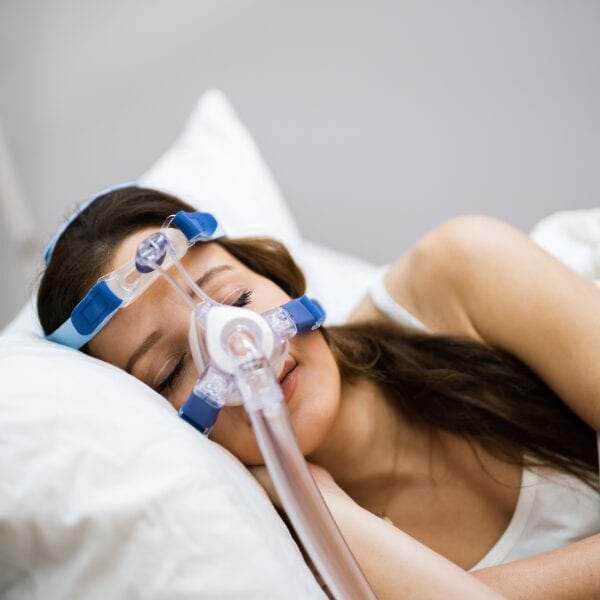
A Different Approach to Sleep
Patients come to us after the CPAP did not change how they felt, after the sleep aids stopped working, or after a conventional sleep workup sent them home with "your labs look normal." We offer a different starting point: test the hormones, neurotransmitters, and cortisol rhythms that actually govern sleep, and treat what the results show.
Sleep medications have a role, and for some patients they are the right tool. We are not anti-medication. But current research suggests that long-term use of common sleep drugs may be associated with increased risk of cognitive decline and dementia. Most patients we see were never told that risk existed. We think that information belongs in the conversation.
When sleep improves, everything improves. Energy, mood, cognitive function, immune health, weight, and quality of life.
Sleep Disruption Rarely Travels Alone
Poor sleep is a symptom of almost every other condition we treat. Here are the ones most often tangled up with it.
Common Questions About Sleep Treatment
What causes insomnia that doctors cannot explain?
The most common underlying causes we find are hormone imbalances (especially low progesterone and melatonin), neurotransmitter deficiencies (especially GABA and serotonin), cortisol rhythm dysregulation (cortisol high at night instead of morning), and thyroid dysfunction that a TSH-only test missed. These are rarely checked in a standard sleep workup, which is why they are rarely identified.
Can hormones affect your sleep quality?
Yes, directly. Progesterone is calming to the brain, so when it drops (as it does in perimenopause, menopause, and after long stretches of stress), sleep gets lighter and more fragmented. Melatonin naturally decreases with age, which is why older adults often fall asleep easily but cannot stay asleep. Cortisol should drop at night and rise in the morning; when that rhythm is reversed, you feel wired at bedtime and flattened on waking. Thyroid dysfunction changes your metabolic rate and your body temperature regulation, both of which affect sleep architecture. All four can be tested and all four can be corrected.
What is NightLase therapy and how does it work for snoring?
NightLase is a non-invasive laser treatment that tightens the collagen in the soft palate and upper airway, widening the airway and reducing snoring and mild-to-moderate obstructive sleep apnea. Each session runs about 20 to 30 minutes with no anesthesia and no downtime. Most patients complete a series of three treatments spaced a few weeks apart, followed by a single maintenance session annually. NightLase is offered to qualifying patients through our external partnership with Dr. Stephen Jacob of Regen Medical. It is one tool in our sleep program, not the whole program.
Are there natural alternatives to sleeping pills?
For most patients, yes. The most effective alternatives depend on which system is actually driving the sleep problem, which is why we test before recommending. Common options include bio-identical hormone support (BHRT) when hormones are the driver, targeted supplementation (magnesium, GABA support, adaptogenic herbs for cortisol rhythm), neurofeedback for sleep architecture, IV nutrient therapy for severe deficiencies, cortisol-management protocols, and nutrition adjustments to support melatonin production. Most patients reduce or discontinue sleep aids under their prescribing doctor's supervision once the underlying imbalance is corrected.
How does functional medicine approach sleep apnea differently?
Conventional sleep medicine asks one question: is your airway collapsing? If yes, you get a CPAP. Functional medicine asks a second question: why is your airway collapsing? Weight gain, chronic inflammation, hormonal shifts, and metabolic dysfunction all contribute to the tissue changes that cause airway collapse. We address those drivers alongside the airway-specific treatments (including NightLase when indicated). For some patients, this approach means they can decrease their reliance on CPAP over time. For others, it means CPAP works better because the underlying drivers are no longer making things worse.
Can poor sleep cause other health problems?
Yes, and the list is long. Chronic sleep disruption contributes to weight gain, brain fog, depression, anxiety, a weakened immune system, elevated inflammation, and accelerated cognitive decline. This is why our sleep program is integrated with our work on chronic fatigue, hormone imbalance, and depression. Fixing sleep often resolves symptoms that were previously attributed to other conditions entirely.
Finally Get the Sleep Your Body Needs
You have spent enough nights staring at the ceiling, enough mornings feeling like you did not sleep at all. Let us test the chemistry, map the cortisol, and find out what is actually keeping you awake. No referral needed.