Digestive Disorders
When your gut is not right, nothing is. Advanced gut diagnostics and integrative care that go beyond a structural GI workup. Food sensitivity (IgG), leaky gut, SIBO, microbiome, and H. pylori testing read against functional markers, so you can finally heal the gut, not just manage the symptoms.

When "It Is Just Stress" Is Not an Answer
You have been told it is IBS. You have been handed an acid blocker, an antispasmodic, or a fiber recommendation and sent home. Meanwhile, the fatigue, brain fog, joint pain, skin issues, and mood changes have not gone anywhere. They feel unrelated to your gut. They are not.
Your gastrointestinal tract holds roughly 85 percent of your immune system and produces about 95 percent of your body's serotonin. When the gut is inflamed or out of balance, the downstream effects reach the whole system. A colonoscopy can confirm there is no structural disease and still leave the functional drivers untouched.
Nearly three decades of integrative practice. A multidisciplinary team of physicians, naturopathic doctors, dietitians, and diagnostic specialists. The full gut panel read against functional ranges, not just normal-versus-abnormal. No referral needed.
See how it works at Progressive Medical Center.
Understanding the Condition
Heal the Gut. Heal the Body.
The gut is not a sealed tube that food passes through. It is an active ecosystem of barrier tissue, immune signaling, hormone production, neurotransmitter synthesis, and a resident microbial community that outnumbers human cells. When one of those systems is off, the others follow.
More Than a Stomach Problem
The symptoms that bring patients in (bloating, pain, reflux, irregular stools) are usually the loudest signal. The quieter signals (fatigue, brain fog, joint pain, mood changes, unexplained skin rashes, headaches, autoimmune flares) are often tracing back to the same gut imbalance. Treating only the loudest signal is why most patients come to us after months or years of symptom management that never addressed the driver.
What Is Leaky Gut?
The intestinal wall is supposed to be selectively permeable (it lets nutrients through and keeps everything else out). When the tight junctions between cells loosen, larger particles of undigested food, bacterial fragments, and other antigens cross into the bloodstream. This is intestinal permeability, commonly called leaky gut. The body treats the crossing particles as foreign and mounts an immune response, which is why increased permeability is linked to systemic inflammation, food sensitivities, autoimmune activation, and the cluster of symptoms that feel unrelated to the gut.
PMC directly measures intestinal permeability through lab testing. Standard GI workups do not evaluate for this. Most patients with unexplained chronic symptoms we evaluate have elevated permeability markers.
Why Standard GI Care Often Falls Short
Colonoscopy and endoscopy are excellent for structural disease (ulcers, tumors, visible inflammation, suspected cancer). They do not evaluate for food sensitivities, SIBO, microbiome imbalance, intestinal permeability, low stomach acid, or parasitic and bacterial infection. When the structural exam comes back clean, patients are often told they have IBS, which is a description of the symptoms (irritable bowel) rather than an explanation of the cause.
Conditions We Commonly See
- IBS (irritable bowel syndrome), most often a symptom label applied after structural disease is ruled out. We work back to the functional driver (food triggers, SIBO, dysbiosis, gut-brain dysregulation, or a combination).
- Acid reflux and GERD, often associated with low stomach acid, food triggers, or H. pylori rather than pure acid overproduction. Acid blockers can mask the pattern for years.
- Crohn's disease, ulcerative colitis, inflammatory bowel disease, where we coordinate with the patient's gastroenterology team and focus on functional support, nutrient repletion, and inflammatory driver identification alongside medical management.
- Chronic bloating, gas, and stomach pain, typically a microbiome or food sensitivity pattern.
- Food sensitivities and intolerances, distinct from food allergies (different immune pathway) and invisible on standard allergy testing.
- SIBO (small intestinal bacterial overgrowth), where bacteria are displaced into the small intestine producing hydrogen or methane; rarely identified without a dedicated breath test.
- Chronic constipation, often a symptom rather than a diagnosis. Common drivers include thyroid dysfunction (slowed motility), microbiome imbalance, inadequate hydration, low fiber, inactivity, or stress. Because thyroid hormones regulate motility, we evaluate thyroid function on patients with persistent constipation. Learn more on our Thyroid Disorders page.

Five Tests Your GI Doctor Probably Did Not Run
Structural testing answers one question: is there something visible inside the tube. Functional testing answers different questions: what is the immune system reacting to, where is the microbiome imbalanced, is the barrier intact, is there bacterial overgrowth, is there active infection. We run both types when indicated. The difference is that the five tests here are rarely part of a standard workup.
Specific testing recommendations depend on your presentation and prior workup. Not every patient needs every test.
- Food sensitivity testing An IgG-based panel measuring delayed-reaction markers against 88 common foods across four inflammatory levels. Distinct from IgE allergy testing; most food-driven digestive symptoms are delayed reactions hours to days after eating.
- Intestinal permeability (leaky gut) testing Direct lab measurement of gut barrier integrity, identifying whether the tight junctions are letting antigens through. Standard GI workups do not run this.
- GI microbiome analysis A stool-based panel mapping bacterial, fungal, and parasitic composition, plus functional markers (short-chain fatty acids, inflammatory signals, enzyme activity) that standard cultures miss.
- H. pylori breath test A 20-minute in-office breath test for Helicobacter pylori, linked to chronic gastritis, ulcers, and some reflux. Commonly missed when reflux is treated empirically with acid blockers.
- SIBO breath test A hydrogen and methane breath test for bacterial overgrowth in the small intestine. Methane-dominant correlates with constipation; hydrogen-dominant with diarrhea and bloating. At-home collection available.
Your Gut Is Not Just Digesting Food
The gut and the brain are in constant bidirectional communication through the vagus nerve, immune signaling, and the neurotransmitters the gut produces directly. When one side of that conversation is inflamed or dysregulated, the other side gets it. Three pathways explain why digestive patients so often present with symptoms that feel completely unrelated to the gut.
Immune System Headquarters
Roughly 85 percent of the immune system is housed in gut-associated lymphoid tissue. When the gut is inflamed or barrier integrity drops, immune signaling throughout the body elevates. This is why gut inflammation is linked to autoimmune activation, and why autoimmune conditions often trace back to a gut trigger.
The Second Brain
The enteric nervous system contains more neurons than the spinal cord and produces about 95 percent of the body's serotonin. When the gut microbiome shifts, the neurotransmitter picture shifts with it. This is why gut dysfunction is linked to depression and anxiety even in patients with no obvious digestive symptoms.
Nutrient Gateway
Iron, B12, vitamin D, magnesium, and zinc all require adequate stomach acid, intact absorption, and a functional microbiome to be taken up. When the gut is inflamed or permeable, nutrient deficiencies follow. This is why unexplained chronic fatigue so often traces back to a gut cause.
Your Path to Digestive Health
Comprehensive Digestive Evaluation
Full intake reviewing symptom history, dietary pattern, prior workups, medication history, stress and sleep context, and any existing lab work. Physical exam and targeted diagnostic selection from the five specialized tests plus supporting panels (comprehensive metabolic, thyroid, inflammatory markers, nutrient levels) as indicated.
Root-Cause Identification
Diagnostic results reviewed alongside your full clinical picture. Findings prioritized by which drivers are producing the largest share of symptoms. Treatment plan designed to address the drivers in the correct sequence rather than all at once.
Personalized Treatment Plan
Elimination and reintroduction protocol (when food sensitivities are positive). Antimicrobial or probiotic therapy (when SIBO, dysbiosis, or H. pylori is positive). Gut lining repair (when permeability markers are elevated). IV nutrient support (when absorption is compromised). Dietary modifications matched to your specific findings. Targeted detoxification support when indicated.
Ongoing Monitoring and Gut Restoration
Most patients feel meaningful improvement in 4 to 8 weeks. Deeper structural healing (microbiome rebuilding, barrier restoration, autoimmune quieting) typically takes 3 to 6 months. Progress reviewed at defined intervals and protocols adjusted based on symptom response and follow-up testing.
Therapies That Work Together to Heal the Gut
Advanced Diagnostic Testing
Food sensitivity, SIBO, microbiome, leaky gut, and H. pylori tests run and interpreted in context of the full clinical picture. This is the strongest condition-to-therapy connection on this page.
Learn moreNaturopathic Medicine
Elimination protocols, gut-healing nutrition, targeted supplementation for microbiome and mucosal repair, and dietary sequencing. Often the primary day-to-day treatment provider on the digestive care team.
Learn moreIV Therapy
Bypasses the damaged GI tract to deliver nutrients directly to the bloodstream. Valuable for patients with malabsorption, severe deficiencies, or active GI inflammation where oral supplementation is not absorbed well.
Learn moreDetoxification
Supports the body's natural elimination pathways (liver, bile, lymphatic) when gut dysfunction has allowed accumulation of inflammatory drivers. Clinical detox protocol, not a 'cleanse.'
Learn morePeptide Therapy
BPC-157 and other peptides with evidence for mucosal healing and tissue repair. Considered for patients with persistent barrier dysfunction after other interventions.
Learn moreBiofeedback / Brain Mapping
Addresses the gut-brain axis directly through autonomic nervous system regulation. For patients whose symptoms clearly flare with stress, a measurable, non-pharmaceutical intervention.
Learn moreStandard GI Care vs. Root-Cause Digestive Treatment
Structural testing and functional testing answer different questions. Both have real value. This is a comparison of what each evaluation pathway includes, not a criticism of conventional gastroenterology.
Standard GI Care
- Colonoscopy and endoscopy evaluate structural disease
- Standard stool cultures screen for a short list of pathogens
- IgE allergy testing captures only immediate-reaction food allergies
- "Normal" structural exam typically defaults to an IBS label
- Treatment is most often acid blockers, fiber, anti-spasmodics, or laxatives
- Intestinal permeability is not evaluated
- SIBO is often undiagnosed without a dedicated breath test
- The gut-brain axis is not addressed clinically
Root-Cause Digestive Treatment at PMC
- Food sensitivity panel covering 88 foods at four inflammatory levels (IgG, not IgE)
- Full microbiome analysis mapping bacterial, fungal, and parasitic composition
- Direct intestinal permeability testing
- SIBO breath test (hydrogen and methane)
- H. pylori breath test
- Treatment sequences elimination, gut repair, antimicrobial or probiotic support
- IV nutrient support for patients with impaired absorption
- Gut-brain axis supported through biofeedback and stress protocols when indicated
- The goal is to restore gut function, not to suppress symptoms indefinitely
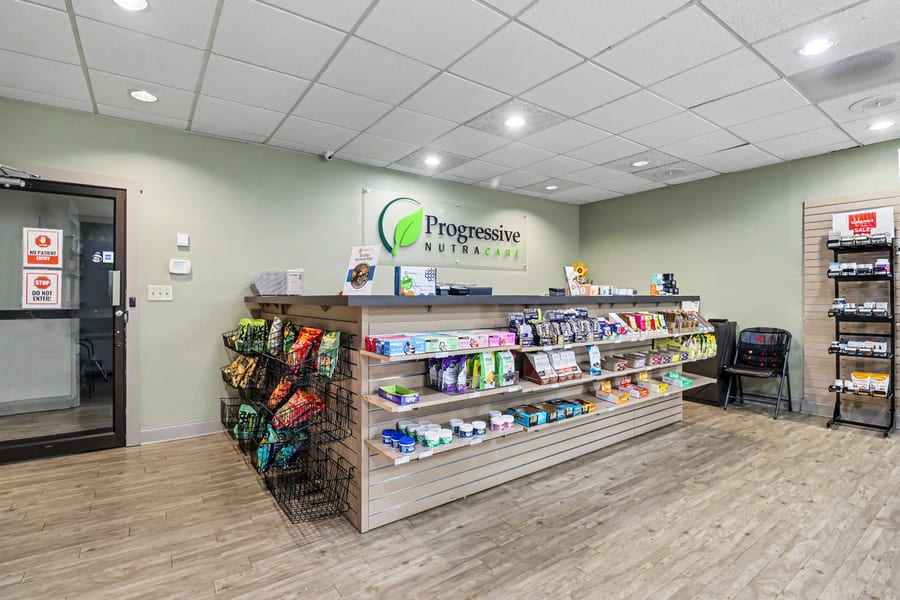
More Than Acid Blockers and Fiber Supplements
Most digestive patients who come to PMC have already done the standard workup. Colonoscopy clean, bloodwork normal, prescription in hand, symptoms still there. The problem is not that the standard workup was wrong. The problem is that it answered the wrong question for their presentation.
We run the five specialized tests that surface the functional drivers standard workups do not evaluate: food sensitivity (IgG, 88 foods), intestinal permeability, microbiome composition, SIBO breath test, and H. pylori. Nearly three decades of integrative practice. A multidisciplinary team of physicians, naturopathic doctors, dietitians, and diagnostic specialists. The full gut picture on the page before treatment decisions are made.
Conditions That Often Overlap with Digestive Disorders
Gut dysfunction rarely exists in isolation. Many patients are dealing with related conditions that share overlapping root causes in the digestive system.
Digestive Disorders FAQ
What is leaky gut and how is it tested?
Leaky gut is the common term for increased intestinal permeability. The tight junctions between cells in the gut lining loosen, allowing undigested food particles, bacterial fragments, and other antigens to cross into the bloodstream and trigger systemic immune responses. It is not part of the standard GI workup. PMC measures intestinal permeability directly through lab testing, alongside related markers of barrier integrity and immune activation. If the test is positive, the treatment sequence usually includes elimination of the driving food triggers, gut-healing nutrients, and microbiome support. Most patients with unexplained chronic symptoms who come in for evaluation have elevated permeability markers.
What is the difference between a food allergy and a food sensitivity?
A food allergy is an IgE-mediated immune reaction that appears within minutes of exposure. The reaction can range from hives and swelling to anaphylaxis. Standard allergy testing (scratch test or IgE blood panel) captures this type of reaction well. A food sensitivity is an IgG-mediated inflammatory response that typically appears hours to days after the food is eaten. The delay is why sensitivities rarely connect to specific meals in a patient's mind. PMC's IgG panel tests 88 common foods across four inflammatory levels, revealing the specific foods driving chronic inflammation, digestive symptoms, and downstream issues like brain fog, joint pain, and skin reactions.
Can digestive problems cause symptoms outside the gut (fatigue, brain fog, joint pain)?
Yes, and the research base on this is deep. The gut houses roughly 85 percent of the immune system and produces about 95 percent of the body's serotonin. When the gut is inflamed, the barrier is compromised, or the microbiome is imbalanced, the downstream effects reach the whole system. Chronic fatigue, brain fog, joint pain, skin rashes, mood changes, and autoimmune flares often trace back to a gut pattern even when the loudest symptoms are outside the gut. The gut-brain section on this page explains the three specific pathways (immune, neurotransmitter, and nutrient).
What is SIBO and how do you test for it?
SIBO stands for small intestinal bacterial overgrowth. Bacteria that normally live in the large intestine migrate into or overgrow in the small intestine, where they ferment carbohydrates and produce hydrogen or methane gas. Methane-dominant SIBO is associated with constipation; hydrogen-dominant SIBO is associated with diarrhea and bloating. The test is a hydrogen and methane breath test performed after a specific sugar challenge. PMC uses an at-home collection that is processed at the clinic. If SIBO is positive, treatment typically involves specific antimicrobial herbs or prescription antibiotics followed by a structured prokinetic and dietary protocol to prevent recurrence.
Why has my doctor not found the cause of my digestive issues?
Standard GI care is built around structural disease (ulcers, tumors, visible inflammation). The diagnostic tools (colonoscopy, endoscopy, standard stool cultures, IgE allergy testing) are excellent for that purpose. They are not designed to evaluate functional drivers like food sensitivities, SIBO, microbiome imbalance, intestinal permeability, or low stomach acid. When the structural exam comes back clean, the label most often applied is IBS, which describes the symptoms rather than explains the cause. Functional causes rarely appear without a dedicated functional workup. That workup is what we run.
How long does it take to see improvement?
Most patients notice meaningful improvement in 4 to 8 weeks once the driving causes are identified and the initial protocol is in place. Deeper healing (microbiome rebuilding, barrier restoration, autoimmune quieting) typically takes 3 to 6 months. Timelines vary based on severity, how long symptoms have been present, and whether there are concurrent conditions like autoimmunity or chronic infection. Progress is reviewed at defined intervals and protocols are adjusted based on symptom response and follow-up testing.
How much does the first consultation cost and do you take insurance?
Progressive Medical Center is an out-of-network provider. Initial consultation pricing, superbill generation for potential partial reimbursement, Cherry Financing, and CareCredit options are detailed on our Insurance and Financing page. Because functional testing can significantly change what shows up on your actual treatment protocol, we review specific expected costs during consultation so the plan fits your budget.
How do I schedule a digestive disorders consultation?
Call (770) 676-6000 during clinic hours or request an appointment online. No referral is required. A care coordinator will follow up to complete your intake paperwork, discuss prior workups, and schedule your first evaluation.
Stop Managing Symptoms. Start Finding Answers.
Schedule a consultation and find out what root-cause medicine can do for you. No referral needed.