Diabetes
Stop managing. Start improving. A root-cause approach to diabetes and prediabetes that goes beyond A1C and prescription management. Specialized metabolic testing, customized nutrition, and integrative protocols designed to address what is actually driving your blood sugar. Treatable. Reversible. Manageable. Preventable.
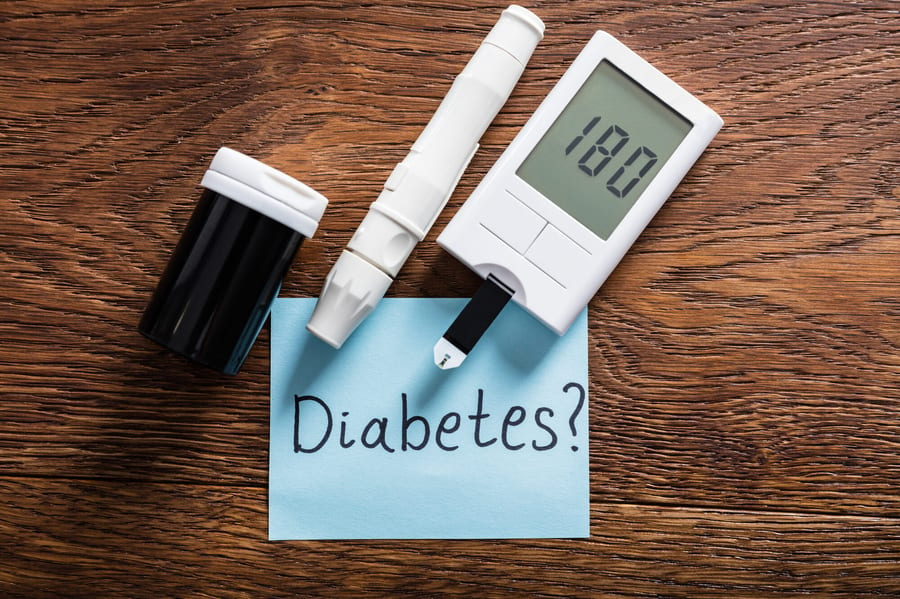
Managing Your Diabetes Should Not Mean Managing It Forever
You are taking your medication. Your numbers are in range most of the time. Your doctor says you are doing well. You do not feel well. The fatigue did not go away. The weight did not come off. The path from here seems to be more medication, not less.
Diabetes is not just a sugar problem. It is a metabolic and hormonal condition that reaches beyond the blood glucose number on your chart. By the time most patients receive a diabetes diagnosis, insulin resistance has been building for a decade or more, and the drivers (inflammation, hormonal imbalance, gut dysfunction, nutrient deficiencies, environmental exposures) are rarely part of a standard workup.
Nearly three decades of integrative practice. A multidisciplinary team of physicians, naturopathic doctors, dietitians, and diagnostic specialists. The full metabolic picture on the page, so treatment addresses what is driving your blood sugar, not just what is showing up at the quarterly lab draw. No referral needed.
Understanding the Condition
Diabetes Is More Than a Blood Sugar Problem
What Is Actually Happening
Diabetes is a hormonal and metabolic condition. Insulin is the hormone that moves sugar from your bloodstream into your cells. When the cells stop responding to insulin normally (insulin resistance), the body produces more insulin to get the same effect. Over time, the pancreas cannot sustain that output, blood glucose rises, and the A1C number on your chart crosses the diabetic threshold. By the time the diagnosis lands, insulin resistance has typically been affecting your health for a decade or more. PMC focuses on Type 2 diabetes and prediabetes, which account for the large majority of the diabetic population. Type 1 diabetes (autoimmune destruction of insulin-producing cells) requires lifelong insulin and is coordinated with endocrinology; integrative support for Type 1 focuses on reducing inflammation, supporting gut and immune health, and minimizing complications.
The Prediabetes Window
More than 96 million American adults have prediabetes, and roughly 80 percent do not know they have it. The opportunity here is substantial: studies show that a 5 to 7 percent reduction in body weight paired with 150 minutes per week of moderate physical activity reduces the risk of progressing to Type 2 diabetes by about 58 percent. Prediabetes is the single most reversible stage of the metabolic continuum and the point at which functional intervention returns the most.
Why Standard Care Often Plateaus
Standard diabetes care (metformin, sulfonylureas, insulin, GLP-1 agonists like semaglutide) works by influencing blood glucose directly. These medications are often necessary and sometimes essential. They also typically address the downstream effect (the blood sugar number) while the upstream causes (insulin resistance, chronic inflammation, hormonal imbalance, microbiome dysfunction, nutrient depletion, environmental toxin load) continue unchecked. The numbers hold. The underlying process does not reverse. Many patients who come to PMC after years of medication management describe this as "managing it but never getting better."
The Insulin Resistance and Inflammation Connection
Chronic inflammation drives insulin resistance and insulin resistance drives further inflammation. Markers of systemic inflammation (high-sensitivity C-reactive protein, homocysteine, oxidized LDL, ferritin patterns) are frequently elevated in diabetic and prediabetic patients and are rarely pulled on standard diabetes workups. Identifying and addressing the inflammatory drivers (food sensitivities, gut dysfunction, hormonal imbalance, environmental toxins) is central to the PMC approach. Diabetes patients with chronic infections (including skin and soft-tissue infections like staph) often present with elevated inflammatory markers as well; addressing the metabolic drivers supports immune function alongside the glycemic picture.

Beyond A1C and Fasting Glucose
Standard diabetes workups measure two numbers: A1C (your 90-day blood sugar average) and fasting glucose. Both are useful. Neither answers the question that matters most at PMC: how insulin-resistant is the system, and what is driving the resistance. We run the standard markers. We also run the six categories below, which together map the metabolic, hormonal, and inflammatory picture that A1C alone cannot see.
Specific testing recommendations depend on your presentation, prior workup, and clinical picture. Not every patient needs every test.
- Fasting insulin paired with fasting glucose A direct assessment of insulin resistance (HOMA-IR) that A1C cannot give. Elevated fasting insulin often precedes elevated glucose by years.
- Advanced inflammatory markers hs-CRP, homocysteine, oxidized LDL, and related markers reveal the systemic inflammation that drives insulin resistance.
- Comprehensive hormone panels Thyroid, cortisol rhythm, testosterone, estrogen, progesterone, and DHEA. Hormonal imbalance is a common driver of insulin resistance.
- Gut health and food sensitivity testing Microbiome composition, intestinal permeability, and IgG-based food sensitivity across 88 foods. Gut dysfunction drives the inflammation that drives insulin resistance.
- Advanced cardiovascular risk markers LDL particle size, ApoB, and lipoprotein(a) give a sharper picture of risk than total and LDL cholesterol alone.
- Nutritional status and toxin screening Magnesium, chromium, vitamin D, B-complex, selenium, and zinc, plus heavy metals and persistent organic pollutants that disrupt metabolic function.
Your Path to Metabolic Health
Comprehensive Metabolic Evaluation
Full intake covering diabetes history, current medications, recent labs, family and cardiovascular history, dietary pattern, stress and sleep context, and treatment goals. Physical exam and targeted diagnostic selection from the six evaluation categories plus standard A1C and metabolic panels as indicated.
Root-Cause Identification
Diagnostic results reviewed alongside your full clinical picture. The drivers of your insulin resistance (inflammation, hormonal imbalance, gut dysfunction, nutrient depletion, environmental toxin load, or a combination) identified and prioritized by which are producing the largest share of the metabolic dysfunction.
Personalized Treatment Plan
Medical nutrition therapy matched to your specific findings (a patient with positive food sensitivities receives a different dietary protocol than a patient with gut dysbiosis, even if both are diabetic). Targeted supplementation based on measured deficiencies. IV nutrient support when oral absorption is compromised. Hormone optimization when hormonal imbalance is contributing. Environmental detoxification support when indicated. Graduated exercise programming appropriate to your current fitness and joint health.
Ongoing Monitoring and Optimization
Progress reviewed at defined intervals through follow-up labs (fasting insulin, A1C, inflammatory markers). Many patients are able to reduce their dependence on diabetes medications over time in coordination with their prescribing physician. Reduction or discontinuation decisions are made clinically, not unilaterally, and never without oversight.
Therapies That Work Together to Improve Metabolic Health
Advanced Diagnostic Testing
Fasting insulin plus glucose, inflammatory markers, hormone panels, microbiome and food sensitivity, advanced cardiovascular markers, and nutrient/toxin screening interpreted in context of the full clinical picture.
Learn moreWeight Loss Program
Weight management is the single most impactful intervention for Type 2 diabetes and prediabetes. A 5 to 7 percent body-weight reduction paired with structured activity cuts prediabetes progression risk by about 58 percent. Built around metabolic testing rather than generic calorie restriction.
Learn moreIV Therapy
Nutritional IV support for patients with malabsorption, severe deficiencies, or neuropathy. Alpha Lipoic Acid IV has an established role in diabetic neuropathy, particularly when paired with Hyperbaric Oxygen Therapy.
Learn moreHormone Therapy (BHRT)
When hormonal imbalance is driving or sustaining insulin resistance (low testosterone in men, estrogen dominance or low progesterone in women, adrenal dysregulation), BHRT is part of the metabolic treatment picture. Testosterone optimization has established effects on insulin sensitivity in appropriately selected men.
Learn moreNaturopathic Medicine
Medical nutrition therapy, targeted supplementation based on measured deficiencies (magnesium, chromium, vitamin D, B-complex, berberine and other insulin-sensitizing botanicals where indicated), and protocol support for gut healing and inflammation resolution.
Learn moreDetoxification
Environmental toxins (heavy metals, persistent organic pollutants, endocrine-disrupting chemicals) interfere with insulin signaling. Clinical detox protocols support the body's elimination pathways when toxin load is measurably contributing.
Learn moreHyperbaric Oxygen Therapy
HBOT supports tissue healing, reduces inflammation, and has a documented clinical role in diabetic neuropathy when paired with Alpha Lipoic Acid IV. The combination is a specific PMC protocol for neuropathic symptoms that have not responded adequately to medication.
Learn moreStandard Diabetes Care vs. Root-Cause Treatment
Both approaches have real value. Medication-first management keeps acute diabetic complications at bay and can be life-saving. The comparison below is about what the evaluation includes and what the treatment targets, not a criticism of conventional endocrinology.
Standard Diabetes Care
- A1C and fasting glucose as primary metrics
- Metformin, sulfonylureas, insulin, or GLP-1 agonists as first-line treatment
- Medication dose adjusted in response to lab changes
- General dietary and exercise guidance
- Insulin resistance rarely directly measured
- Systemic inflammation, gut health, and hormonal balance rarely evaluated
- Environmental toxin load not considered
- Goal: keep glucose numbers in range
Root-Cause Diabetes Treatment at PMC
- Fasting insulin paired with fasting glucose for direct insulin-resistance measurement
- Treatment targets the causes of insulin resistance, not just the resulting glucose number
- Advanced inflammatory markers included in standard workup
- Comprehensive hormone panels (thyroid, cortisol, sex hormones)
- Microbiome and food sensitivity testing
- Customized medical nutrition therapy matched to findings
- Environmental toxin screening when indicated
- IV nutrient therapy for patients with compromised absorption or active neuropathy
- Goal: improve insulin sensitivity and reduce disease progression

More Than Medication Management
Most diabetes patients who come to PMC are already stable on medication. Their A1C is holding. Their doctor says they are doing well. They do not feel well. They are frustrated that the path forward seems to be more medication rather than less, and they are looking for an evaluation that asks what is driving the insulin resistance rather than how to suppress the next glucose excursion.
The Progressive Diabetes Management Program pairs the six-category metabolic evaluation with medical nutrition therapy, supplementation built on measured deficiencies, hormone optimization when indicated, and specific clinical protocols for the complications that most concern diabetic patients (the HBOT plus Alpha Lipoic Acid IV combination for neuropathy is one example). Many patients have been able to significantly reduce their diabetes medications under our care. Some have reversed their metabolic markers entirely. Both outcomes depend on the duration and severity of disease, adherence, and coordination with the prescribing physician.
Conditions That Often Overlap with Diabetes
Diabetes and insulin resistance rarely exist in isolation. Many patients are dealing with related conditions that share overlapping metabolic root causes.
Diabetes FAQ
Can Type 2 diabetes be reversed?
For many patients, significant improvement and even reversal of metabolic markers is possible, particularly when diabetes is caught early and the drivers are addressed before long-standing damage accumulates. The degree of reversal depends on the duration and severity of the disease, how consistently the treatment plan is followed, and how well the patient's insulin-producing capacity has been preserved. What PMC can say defensibly is that many patients have been able to reduce or eliminate their diabetes medications under our care in coordination with their prescribing physician, and some have moved their A1C and fasting insulin fully out of the diabetic and prediabetic ranges. These outcomes are individual; they are real, and they are not guaranteed.
What tests do you run for diabetes beyond standard bloodwork?
Six categories beyond A1C and fasting glucose: fasting insulin paired with fasting glucose (direct insulin resistance measurement), advanced inflammatory markers, comprehensive hormone panels (thyroid, cortisol, sex hormones), gut health and food sensitivity testing, cardiovascular risk markers beyond standard cholesterol, and nutritional status plus environmental toxin screening. Not every patient needs every test; which tests are run depends on your presentation, prior workup, and clinical picture.
Do I have to stop taking my diabetes medication?
No. Diabetes medications are often necessary and sometimes essential, and no patient should ever self-discontinue. If your metabolic markers improve meaningfully under the treatment plan, medication reduction or discontinuation decisions are made clinically, in coordination with your prescribing physician, and always with ongoing monitoring. Many patients experience a gradual, safe reduction in medication over time. Others remain on medication indefinitely but feel significantly better because the drivers of their disease have been addressed.
How is your approach different from my endocrinologist?
The approaches complement each other. Your endocrinologist is typically responsible for the pharmacologic management of your diabetes, specialist-level complications (retinopathy, nephropathy, severe neuropathy), and the prescriptive decisions tied to your glucose numbers. PMC focuses on identifying and treating the drivers of your insulin resistance (inflammation, hormonal imbalance, gut dysfunction, nutrient depletion, environmental toxins) so the disease process itself shifts rather than the symptoms alone being suppressed. Many PMC patients continue to see their endocrinologist throughout integrative treatment.
Can you help with prediabetes?
Yes, and prediabetes is the stage where functional intervention returns the most. More than 96 million American adults have prediabetes and roughly 80 percent do not know they have it. A 5 to 7 percent reduction in body weight paired with 150 minutes per week of moderate physical activity reduces the risk of progressing to Type 2 diabetes by about 58 percent. Add root-cause evaluation (food sensitivities, inflammation, hormone panels, gut health) and the intervention window widens further. Prediabetes is also discussed across four episodes of our Podcast for patients who want a deeper walk-through before booking.
How long before I see improvement?
Most patients notice improvement in energy, sleep, and general well-being within a few weeks of starting the treatment plan. Measurable changes in metabolic markers (fasting insulin, A1C, inflammatory markers) typically show up in 8 to 12 weeks. Longer-standing insulin resistance and long-duration Type 2 diabetes take longer to shift. The timeline is individual and is reviewed against your labs at defined intervals.
How much does the first consultation cost and do you take insurance?
Progressive Medical Center is an out-of-network provider. Initial consultation pricing, superbill generation for potential partial reimbursement, Cherry Financing, and CareCredit options are detailed on our Insurance and Financing page. Because the specialized testing can significantly change the treatment protocol, we review specific expected costs during consultation so the plan fits your budget.
How do I schedule a diabetes consultation?
Call (770) 676-6000 during clinic hours or request an appointment online. No referral is required. A care coordinator will follow up to complete your intake paperwork, review prior workups, and schedule your first evaluation.
Stop Managing. Start Improving.
Get the full metabolic picture on the page. Find out what is actually driving your blood sugar. No referral needed; out-of-network with superbills available.