Memory Loss and Alzheimer's
Cognitive decline can have a root cause, and a path forward. At Progressive Medical Center, we use the Bredesen Protocol, advanced diagnostics, and targeted therapies to identify what is actually driving memory changes in you or someone you love. No referral needed.

The Brain Is Capable of Healing at Any Age
If you are here because you have noticed changes in your own memory, thinking, or focus, you are not imagining it, and you are not alone. If you are here because you are worried about a parent, a spouse, or someone you love, you are not overreacting, and you are not too early.
Standard neurology often comes down to a cognitive screen, a scan to rule out structural issues, a medication like Aricept, and a conversation about planning for decline. That is not the same thing as investigation. Research has identified more than 36 contributing factors to cognitive decline. A standard workup tests for almost none of them.
Understanding the Condition
Cognitive Decline Has Root Causes. They Can Be Found.
More Than "Just Getting Older"
More than 6 million Americans are living with Alzheimer's today. Two-thirds are women. Mild cognitive impairment (MCI) sits between normal age-related forgetfulness and dementia, and it is often the first window where intervention changes the trajectory. Dr. Dale Bredesen's research positions Alzheimer's not as a single mysterious disease but as a condition with identifiable, treatable contributors.
Occasional forgetfulness, a name you cannot retrieve, keys you misplace, is not dementia. Disruptive patterns are different: entire conversations forgotten, the same question asked within minutes, difficulty with familiar tasks, confusion with time or place, mood and personality changes. Those patterns deserve investigation, not reassurance.
Why Conventional Care Falls Short
The standard pathway is a brief cognitive screen (MMSE or MoCA), a brain scan to rule out structural problems, a prescription (Aricept, Namenda), and planning for progression. Root causes are not investigated. APOE genetic risk is rarely tested or discussed. Hormones, nutrients, toxic burden, and gut health are almost never evaluated. Patients and families are left to wait and watch.
Root Causes We Evaluate
The Bredesen Protocol identifies more than 36 contributors to cognitive decline. We evaluate these categories:
- Chronic inflammation. Neuroinflammation is increasingly understood as a primary driver of Alzheimer's pathology. We measure hs-CRP, homocysteine, and cytokine markers.
- Hormonal deficiency. Thyroid dysfunction, low testosterone, perimenopause and menopause hormone shifts, and cortisol dysregulation all affect cognition.
- Insulin resistance. Sometimes called "type 3 diabetes" in the cognitive decline literature. Fasting insulin and glucose ratios tell the story HbA1c alone misses.
- Toxic exposures. Mercury, lead, arsenic, mold and mycotoxins, pesticides. Environmental toxins accumulate in brain tissue over decades.
- Nutritional deficiencies. B12, folate, vitamin D, omega-3 index, magnesium, zinc. Depletions that standard labs either do not measure or do not flag at functional thresholds.
- Genetic risk (APOE). The APOE e4 variant increases Alzheimer's risk meaningfully. One copy raises risk 3 to 4 times; two copies raise it 8 to 12 times. About 25 percent of the population carries at least one copy. Genetic risk is not destiny, and it is not a reason to despair. It is a reason to act earlier.
Recognizing the Warning Signs
Memory loss disrupting daily activities, difficulty with familiar tasks, confusion with time or place, trouble following conversations, word-finding difficulty beyond tip-of-tongue, poor judgment, withdrawal from usual activities, changes in mood or personality. If you or a family member is noticing these patterns, early evaluation widens your options.
A Proven Framework for Addressing Cognitive Decline
Progressive Medical Center offers the full Apollo/Bredesen Program, one of the few certified implementations in the Southeast. The program has two tracks so it serves both active cognitive decline and prevention.
ReCODE, for active cognitive decline. For patients with memory loss, brain fog, MCI, or an Alzheimer's diagnosis. The goal is to identify the specific contributors driving decline and build a plan to stabilize, slow, or reverse it.
PreCODE, for prevention. For patients with family history, APOE e4 genetic risk, or early warning signs who want to act before symptoms develop. The goal is a protective plan while the window is widest.

The Cognitive Assessment Most Patients Have Never Had
A 10-minute cognitive screen and a scan are not an evaluation. They are a triage. The initial consultation is $250 and no referral is required.
- APOE genetic testing The e2/e3/e4 risk profile.
- Cognitive function assessments Beyond MMSE or MoCA.
- Inflammatory markers hs-CRP, homocysteine, and cytokines.
- Full hormonal panel Thyroid, sex hormones, cortisol, and insulin/glucose ratios.
- Nutritional markers B12, folate, vitamin D, omega-3 index, magnesium, and zinc.
- Heavy metal and toxin testing Environmental and mold exposure screening.
- Gut health assessment Microbiome and intestinal permeability.
- Metabolic markers HbA1c, fasting insulin, and lipid panel.
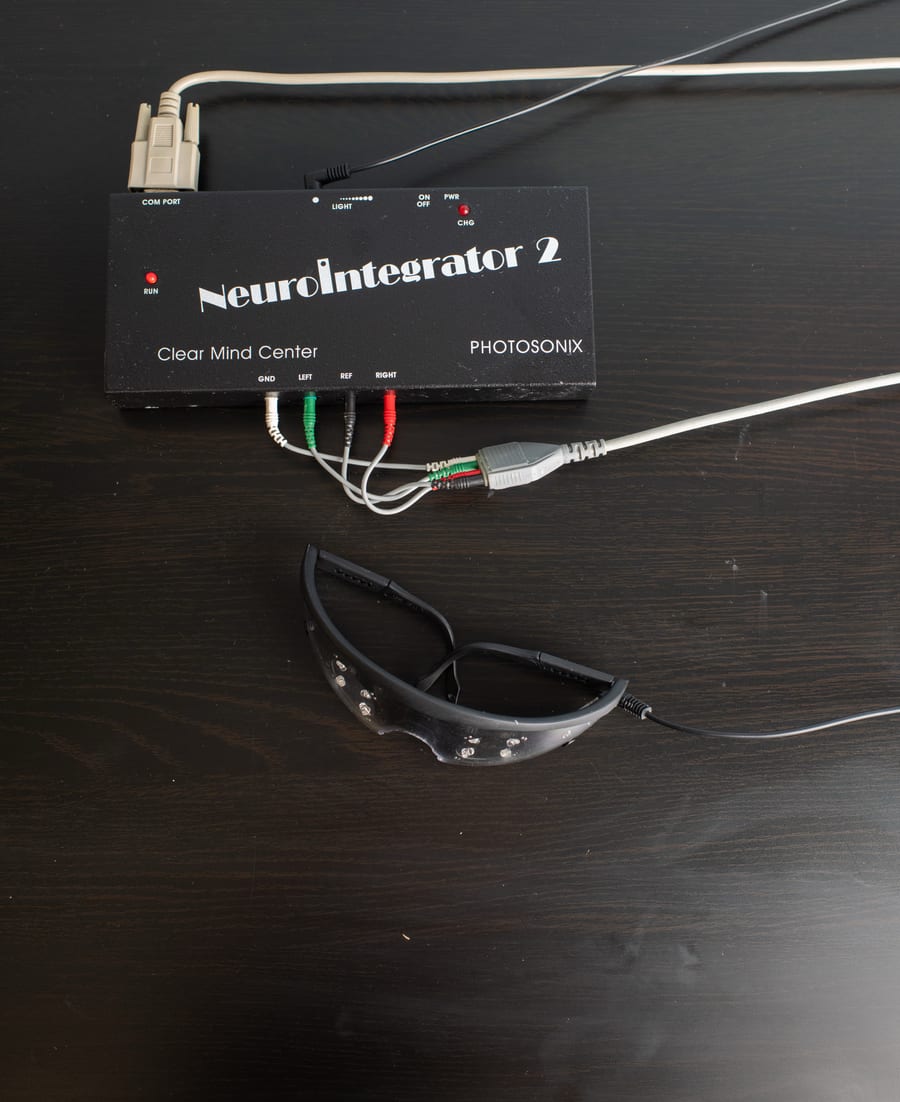
- QEEG brain mapping Biofeedback-based neurological assessment.
Your Path to Cognitive Clarity
Comprehensive Evaluation
Unhurried first visit. Cognitive symptoms, medical and family history, medications, lifestyle, and prior treatments. Family members are welcome and encouraged; the information they contribute is often critical. Comprehensive diagnostics ordered based on your specific picture.
Root-Cause Identification
The brain health team reviews the complete picture once results are in. Contributors are identified and mapped against the Bredesen Protocol framework so treatment targets what is actually driving the decline, not just the surface symptoms.
Personalized Treatment Plan
Your plan may include targeted IV therapy (glutathione, NAD+, curcumin), hyperbaric oxygen, neurofeedback and brain mapping, hormone optimization, detox protocols, personalized nutrition and supplements, peptide therapy, and lifestyle modifications. Apollo patients follow ReCODE or PreCODE based on their situation.
Ongoing Monitoring and Adjustment
Regular follow-up testing, cognitive reassessment, and clinical evaluation. The plan is adjusted as your body responds. Many patients begin noticing improvement within the first few months as the underlying contributors are addressed.
Therapies Used in Our Cognitive Health Programs
Biofeedback / Brain Mapping
QEEG identifies patterns associated with cognitive decline; neurofeedback trains the brain to rebuild neural pathways. A primary differentiator; patients have reported meaningful gains in memory and cognitive function after brain training.
Learn moreAdvanced Diagnostic Testing
APOE, inflammatory, hormonal, toxic, nutritional, metabolic, and cognitive testing reveal the specific root causes driving the decline so treatment targets what is actually wrong.
Learn moreHyperbaric Oxygen Therapy
Supports neuroplasticity, reduces neuroinflammation, and improves cerebral blood flow. Research is promising for neurodegenerative conditions.
Learn moreIV Therapy
Glutathione, NAD+, curcumin, amino acids, and targeted vitamins delivered intravenously. Bypasses absorption limitations that often affect cognitive patients.
Learn morePeptide Therapy
Neuroprotective peptides for brain repair, neurogenesis, and cognitive support. Used within the Bredesen framework alongside other therapies.
Learn moreDetoxification
Heavy metals, mold and mycotoxins, and environmental chemicals reduced through clinically supervised protocols. One of the most common and most overlooked contributors to cognitive decline.
Learn moreInfrared Sauna
Supports inflammation reduction, detox through perspiration, and circulation. Used as part of a comprehensive brain health protocol rather than on its own.
Learn moreOzone Therapy
Supports cellular oxygen utilization and helps manage oxidative stress, both relevant to brain health. Used alongside HBOT and IV therapy as part of the multi-modal approach.
Learn moreStandard Cognitive Care vs. Root-Cause Treatment
Both approaches have a role. Here is what comprehensive testing and the Bredesen Protocol add to the picture.
Standard Neurology
- Brief cognitive screening (MMSE or MoCA)
- Brain scan to rule out structural issues
- Medication prescribed based on diagnosis (Aricept, Namenda)
- Root causes of decline not investigated
- Genetic risk (APOE) rarely tested or discussed
- Hormones, nutrition, toxins, gut health not evaluated
- Focus on managing symptoms and planning for progression
- Single-provider model (neurologist)
PMC Bredesen Protocol Approach
- Comprehensive diagnostic workup targeting 36+ contributing factors
- APOE genetic testing with personalized risk assessment
- Full hormonal panel (thyroid, sex hormones, cortisol, insulin)
- Inflammatory markers, toxic burden, nutritional status tested
- Gut health and metabolic function evaluated
- QEEG brain mapping for neurological assessment
- Personalized treatment plan targeting your specific root causes
- Prevention track (PreCODE) for at-risk patients, not just treatment
- Multi-disciplinary team: physicians, brain health specialists, naturopaths

More Than a Diagnosis and a Prescription
Through advanced diagnostics and root-cause evaluation, we select the therapies that match what is actually driving the decline in you or in the person you love. One of the few Apollo/Bredesen-certified programs in the Southeast. A Program Director with NIH neuroscience research experience. A Protocol Director who lost his mother and grandmother to this disease. A prevention track for patients who want to act before symptoms develop.
If You Are Researching for Someone You Love
Caregivers often recognize cognitive changes before the patient does. If you are the spouse or the adult child who noticed something at Thanksgiving, or who has been keeping a quiet list for six months, you are often the reason a family gets in front of this early enough to change the outcome.
Family members are encouraged at every consultation. The patterns you have observed, the changes you have noticed, the examples you can describe, these are essential pieces of the evaluation. We treat the whole family as partners in care, not just the patient in the chair.
If you are not sure whether what you are seeing crosses the line from normal aging into something that warrants investigation, call us. We can talk through what you are observing and help you decide the right next step.
Conditions That Often Overlap with Cognitive Decline
Cognitive decline rarely exists in isolation. Many patients are dealing with related conditions that share overlapping root causes or are made worse by brain health issues.
Memory and Alzheimer's FAQ
What is the difference between normal forgetfulness and early Alzheimer's?
Occasional forgetfulness, a name you cannot retrieve, a key you cannot find, an errand you forgot, is part of normal aging for most adults. Patterns that warrant investigation include entire conversations forgotten, the same question asked within minutes, confusion about familiar places or time, difficulty with familiar tasks, significant changes in judgment, and noticeable mood or personality changes. Early evaluation widens your options. Waiting rarely makes things easier.
What is the Bredesen Protocol?
The Bredesen Protocol is Dr. Dale Bredesen's evidence-based framework for identifying and addressing the 36+ factors that contribute to cognitive decline. It treats Alzheimer's as a condition with multiple contributors, inflammation, hormones, metabolic dysfunction, toxins, nutritional gaps, infections, and vascular health, rather than a single mysterious disease. Progressive Medical Center offers the full Apollo/Bredesen Program, one of the few certified implementations in the Southeast. The program has two tracks: ReCODE for active decline and PreCODE for prevention.
Can cognitive decline actually be reversed?
For many patients, with early intervention, meaningful improvement is possible. We do not promise reversal in every case, and outcome depends on duration, severity, genetic risk, and adherence to the protocol. What we do promise is investigation. Many of our patients have seen meaningful improvement in memory, focus, and daily function after they were told nothing more could be done. Prevention (PreCODE) is even more effective than treatment, which is why we take family history and APOE risk seriously.
What is APOE testing and should I get it?
APOE is a gene that influences Alzheimer's risk. It comes in three common variants (e2, e3, e4). One copy of e4 raises risk roughly 3 to 4 times; two copies raise it 8 to 12 times. About 25 percent of the population carries at least one e4 copy. Genetic risk is not destiny; knowing your status earlier gives you a longer runway for prevention. If you have a family history of Alzheimer's or early cognitive changes, APOE testing is a reasonable first step.
How is PMC's approach different from seeing a neurologist?
A neurologist's job is to diagnose and manage the condition. Our job is to investigate why it is happening in you specifically. Many of our patients see us alongside their neurologist. The approaches complement each other: a neurologist tracks cognitive status and medication management; we test and address the underlying contributors that a neurology workup does not cover. Coordinated care, not competing care.
How long does treatment take to show results?
Many patients notice improvement within 3 to 6 months. Nutritional and hormonal corrections can show up within weeks; more complex cases take longer. We recheck testing on a defined cadence and adjust the plan based on what your body is actually doing.
How much does the first consultation cost?
The initial consultation is $250. We are out-of-network; we provide superbills you can submit to your insurance for potential reimbursement, and we offer Cherry Financing and CareCredit. See Insurance and Financing for details.
Can family members participate in the consultation?
Absolutely. We encourage it. Spouses, adult children, and caregivers are welcome at every appointment, and the observations they contribute are often essential to the evaluation.
Take the First Step Toward Answers.
Schedule a cognitive health consultation with our brain health team. Call us directly, or request an appointment and a care coordinator will follow up within one business day.