Lyme Disease
Integrative treatment that goes beyond standard antibiotics. Advanced diagnostics, targeted therapies, and a clinical team that finds answers when standard tests say you're fine.
You Are Not Making This Up.
You have been to doctor after doctor. You have been told your labs look normal. You have been told it is stress, anxiety, or chronic fatigue, and nobody has given you an answer that explains what you are actually feeling.
Lyme disease is often missed, misread, or dismissed. Standard testing does not always detect active infection, and many patients live with symptoms for years before the pattern is recognized.
Our team has been treating complex and chronic Lyme cases for nearly three decades. We listen to your story, test thoroughly, and build a treatment plan designed around what is actually happening in your body.
Understanding the Condition
Why Lyme Disease Is So Difficult to Diagnose and Treat
A Bacteria That Hides
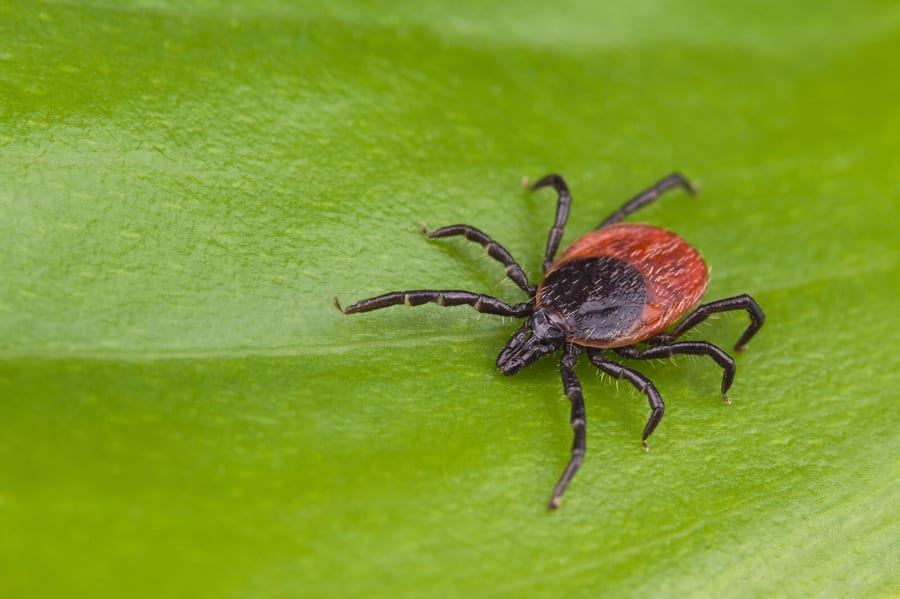
Lyme disease is caused by Borrelia burgdorferi, a bacteria transmitted primarily through the bite of infected ticks. What makes Borrelia difficult is that it does not behave like most bacterial infections. It forms protective biofilms that shield it from antibiotics and the immune system, and it can spread into tissues and joints where standard treatment has a harder time reaching it.
Many tick-borne infections also travel together. Babesia, Bartonella, Ehrlichia, and Mycoplasma are common co-infections that complicate the clinical picture and can produce additional symptoms including night sweats, mood changes, and gastrointestinal issues.
Why Standard Testing Falls Short
The standard two-tier antibody test (ELISA followed by Western blot) detects antibodies to a limited strain set of Borrelia. It can miss early-stage infection before antibodies develop, it can miss chronic infection where the immune response is already exhausted, and it does not screen for most co-infections.
This is why a patient can have a clear Lyme presentation and still get a negative result. The test is not always measuring what you think it is measuring.
Testing That Catches What Others Miss
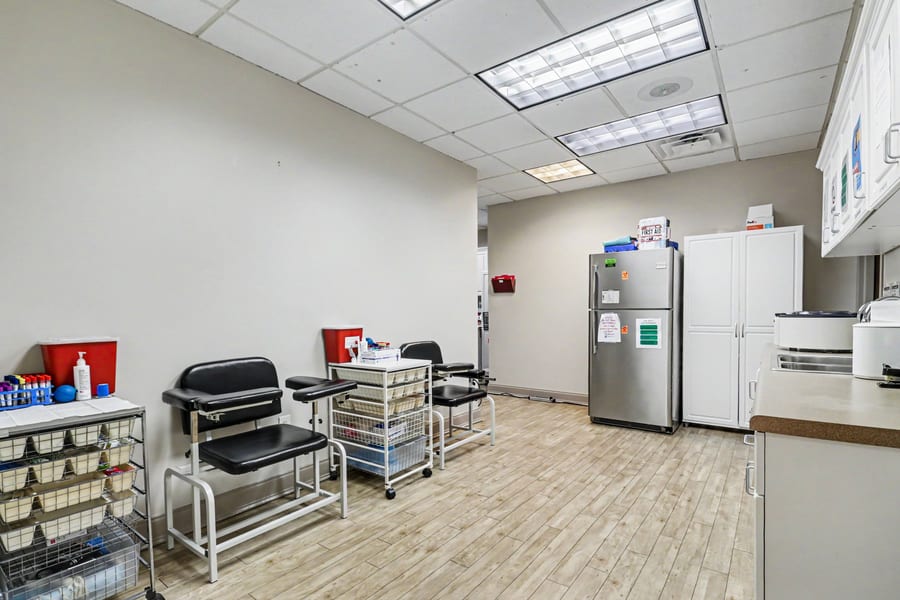
Accurate diagnosis is the foundation of every Lyme treatment plan we build. Our evaluation starts with a detailed symptom history and exposure review, then adds the testing that a standard checkup does not include.
Your initial consultation includes a full review of past records and a plan for which tests will give the clearest picture of your case.
- Clinical assessment A full history of symptom onset, progression, tick exposure, and prior treatment.
- Western blot and advanced antibody testing Beyond the basic two-tier protocol, we work with specialty labs that run broader Borrelia panels.
- CD57 natural killer cell marker Helps assess how Lyme is affecting your immune function and gives us a reference point for tracking progress.
- Co-infection screening Babesia, Bartonella, Ehrlichia, and Mycoplasma, because treating Lyme without addressing its traveling partners rarely produces full recovery.
- Functional markers Immune, inflammatory, thyroid, adrenal, gastrointestinal, and neurological testing to map the systemic impact of chronic infection.
A Multi-Modal Plan Built Around Your Case
Chronic Lyme rarely responds to a single therapy. Your plan is personalized based on your diagnostic results, the stage and severity of your infection, any co-infections present, and how your body has responded to previous treatment. Therapies commonly used include:
EBOO Therapy
Extracorporeal blood oxygenation and ozonation. Oxygenates the blood and supports immune function in patients with biofilm-protected infections.
Learn moreOzone Therapy
Major autohemotherapy: blood is drawn, infused with medical-grade ozone, and returned to support oxygen delivery, immune function, and biofilm disruption.
Learn moreHyperbaric Oxygen
Pressurized oxygen therapy that helps disrupt the low-oxygen environments Borrelia prefers. Particularly useful for neurological Lyme symptoms.
Learn moreIV Nutrient Therapy
High-dose vitamin C and glutathione protocols for antioxidant support, immune modulation, and Herxheimer reaction management.
Learn moreWeber Endolaser
We are the only clinic in Georgia offering Weberneedle Endolaser therapy. Therapeutic laser light supports mitochondrial function in chronic infection.
Learn moreDetoxification Support
Guided protocols including binders, IV glutathione, and elimination support to manage Herxheimer reactions as bacteria die off.
Learn moreInfrared Sauna
Supports sweating-based toxin elimination, commonly used as part of Herxheimer reaction management during active treatment.
Learn moreAdvanced Diagnostic Testing
Specialty lab testing for Borrelia antibodies, CD57 immune markers, co-infection screening, and functional markers across body systems.
Learn moreSOT Therapy
Supportive Oligonucleotide Therapy through our RGCC partnership. DNA-matched oligonucleotides interfere with Borrelia replication, useful in chronic and treatment-resistant cases.
Herbal Antimicrobials
Cat's Claw, Japanese Knotweed, Andrographis, and Cryptolepis target Borrelia and its co-infections while supporting immune modulation.
Learn moreConventional Treatment vs. Integrative Lyme Care
Both approaches have a place. Here is what integrative Lyme care adds.
Conventional Treatment Alone
- Standard two-tier antibody testing only
- Testing generally targets one Borrelia strain
- Two to four weeks of oral antibiotics
- Persisting symptoms labeled post-treatment Lyme syndrome
- Co-infections rarely tested or treated
- Biofilms not directly addressed
- Immune, gut, and inflammatory status not typically assessed
- Limited options when initial antibiotics fail
PMC Integrative Lyme Care
- Specialty-lab testing with broader Borrelia panels
- Clinical assessment combined with antibody, immune, and functional markers
- Multi-modal treatment targeting infection, biofilms, and immune recovery
- Co-infections screened and treated alongside Lyme
- Biofilm disruption through ozone, EBOO, and related therapies
- Comprehensive functional testing across immune, inflammatory, thyroid, adrenal, and gut systems
- Herxheimer reaction management with IV glutathione, binders, and infrared sauna
- Ongoing monitoring and treatment adjustments based on response
- Coordinated integrative team across medical, naturopathic, and IV disciplines

Treating Complex Lyme Cases for Nearly Three Decades
Progressive Medical Center has been treating complex, chronic, and late-stage Lyme for nearly thirty years. Our multidisciplinary clinical team, including medical doctors, naturopathic physicians, nurse practitioners, and an experienced IV team, works together on each treatment plan. We know what chronic Lyme looks like, how it shifts over the course of treatment, and how to adjust when a patient is not responding.
Many of our Lyme patients travel from across the country for care. Our patient navigation team coordinates appointment scheduling, local accommodations, and multi-week treatment sequences, so out-of-town logistics are handled before you arrive.
Symptoms That May Point to Lyme Disease
Lyme disease can present differently in different patients and at different stages of infection. The bullseye rash is the classic sign most people know, but it appears in only about 70 to 80 percent of cases, which means roughly one in four patients never see one.
Early Symptoms
Days to weeks after tick exposure- Bullseye rash (erythema migrans), in about 70 to 80 percent of cases
- Flu-like symptoms: fever, chills, headache, muscle and joint aches
- Fatigue
- Swollen lymph nodes
Disseminated Symptoms
Weeks to months if untreated- Severe, persistent fatigue not relieved by rest
- Joint pain and swelling, often in the knees
- Facial palsy (Bell's palsy) and other neurological symptoms
- Peripheral neuropathy (tingling, numbness, or burning)
- Heart palpitations or irregular heartbeat
- Light sensitivity or blurred vision
Chronic and Late-Stage
Months to years- Brain fog, memory loss, and difficulty concentrating
- Chronic neuropathy
- Sleep disruption and mood changes including depression, anxiety, and irritability
- Migratory pain that moves from joint to joint
- Muscle cramping and stiffness
- Shortness of breath or chest discomfort
Related Conditions We Treat
Lyme often overlaps with, or is mistaken for, other complex conditions. These are some we also treat.
Lyme Disease FAQ
I tested negative for Lyme. Can I still have it?
Yes. Standard two-tier antibody testing can miss both early-stage infection, before antibodies develop, and chronic infection, where the immune response is already exhausted. Our diagnostic workup includes specialty labs with broader Borrelia panels, immune-function markers, and co-infection screening, so a negative standard test is not the end of the conversation.
What is chronic Lyme disease?
Chronic Lyme refers to symptoms that persist months or years after the initial infection, often despite prior treatment. Borrelia can form biofilms that protect it from antibiotics and the immune system, and it can spread into tissues and joints where standard treatment has a harder time reaching. Our approach combines targeted antimicrobial therapies with immune recovery, biofilm disruption, and detox support.
What is SOT therapy?
SOT stands for Supportive Oligonucleotide Therapy. It is a personalized treatment developed through our partnership with RGCC that uses DNA-matched oligonucleotides to interfere with Borrelia replication. It can be particularly useful in chronic or treatment-resistant cases. Ask your provider during your consultation whether SOT is appropriate for you.
Do you treat co-infections like Babesia and Bartonella?
Yes. Co-infections including Babesia, Bartonella, Ehrlichia, and Mycoplasma are common in tick-borne illness, and treating Lyme without addressing them rarely produces full recovery. Our diagnostic workup screens for these infections and our treatment plans address them alongside Lyme.
What is a Herxheimer reaction and how do you manage it?
A Herxheimer reaction is a temporary worsening of symptoms that happens when bacteria die off quickly and release toxins faster than your body can clear them. We manage it through IV glutathione, binders, infrared sauna, and paced treatment adjustments. The goal is effective treatment without overwhelming your system.
How long does treatment take?
It depends on how long the infection has been present and how your body responds. Acute cases can resolve in a matter of weeks. Chronic and late-stage cases typically require several months of treatment with follow-up testing to confirm progress. We design the plan around your case at your initial consultation.
How much does treatment cost?
Treatment costs vary based on your diagnostic results, the therapies needed, and the length of treatment. We discuss expected costs during your consultation. PMC is out-of-network with insurance but provides superbills for reimbursement, and we work with Cherry Financing and CareCredit. Learn more on our Insurance and Financing page.
I live outside of Atlanta. Can I still receive care?
Yes. Many of our Lyme patients travel from across the country. Our patient navigation team coordinates appointment sequences, local accommodations, and multi-week treatment blocks so the logistics are handled before you arrive. Learn more on our Out-of-Town Patients page.
Stop Searching. Start Healing.
You have already done the hardest part by recognizing that something is not right. The next step is a conversation. No referral is needed.