Women's Sexual Health
Your sex drive did not just disappear. Something changed in your body, and it can be identified and treated. At Progressive Medical Center, we test for what is actually going on in your chemistry and build a plan that addresses the cause, not just the symptom.

You Are Not Imagining It. Something Has Changed.
Maybe you have been told it is just stress. Maybe it is just your age. Maybe it is just part of being a woman. Maybe your doctor ordered a standard panel, said everything looks normal, and did not have a next step to offer you.
Nearly a third of women experience a loss of sex drive at some point. That does not make it inevitable, and it does not make it untreatable. It means something in your body has shifted, and most of the time, that something is identifiable in the right lab work.
You are not imagining it. You are not being dramatic. You do not need to white-knuckle through it. Our team is here to find the cause and help you fix it.
Hormones are part of the picture, but they are rarely the whole picture. Neurotransmitter balance, thyroid function, adrenal status, nutrient levels, medications you may be on, and inflammation all affect sexual function in women. A standard OB/GYN panel does not look at most of these.
Why Standard Care Often Misses
Why Conventional Care Often Falls Short for Women
More Than Just Menopause
Most women associate loss of libido with menopause, and for good reason. Declining estrogen, progesterone, and testosterone all affect sexual desire and function. But sexual health concerns are not confined to women in their 50s. Hormonal imbalances that suppress libido and sexual function can appear in a woman's 30s and 40s as well, and they often show up alongside fatigue, irregular cycles, mood changes, and weight resistance. Whether you are perimenopausal, post-menopausal, or decades away from menopause, the right workup starts with understanding what your chemistry is actually doing right now.
Women Can Have Low Testosterone Too
Testosterone is not just a male hormone. Women produce it in smaller amounts, and it plays a central role in libido, energy, muscle tone, mood, and mental clarity. When testosterone drops, sex drive often drops with it. Most standard hormone panels for women do not include testosterone. Ours do. When low testosterone is part of the picture, we address it with bioidentical therapy at the smallest effective dose. When it is not the driver, we treat what actually is.
Root Causes Your OB/GYN May Not Be Testing For
The most common drivers we identify in women who come to us for sexual health concerns are hormonal imbalance beyond estrogen (testosterone, progesterone, DHEA, cortisol), subclinical thyroid dysfunction, neurotransmitter imbalance (dopamine and serotonin both affect desire), chronic stress and elevated cortisol, nutrient deficiencies (vitamin D, B vitamins, iron), and medication side effects. Most of these are not on a standard OB/GYN panel. Each of them is testable. Each of them is treatable.
Medication-Induced Sexual Dysfunction
SSRIs and other antidepressants are one of the most common unrecognized causes of sexual dysfunction in women. Sexual side effects from antidepressants include reduced desire, difficulty with arousal, and difficulty reaching orgasm. Many women on long-term SSRIs have been told these are permanent trade-offs. Current research suggests they are not always. The right approach is to address the underlying reason the medication was prescribed (often a root-cause serotonin or dopamine imbalance, a thyroid issue, or a hormonal driver) and work toward a plan that does not require the trade-off. See our Depression and Anxiety pages for how we approach the conditions these medications are typically prescribed for.
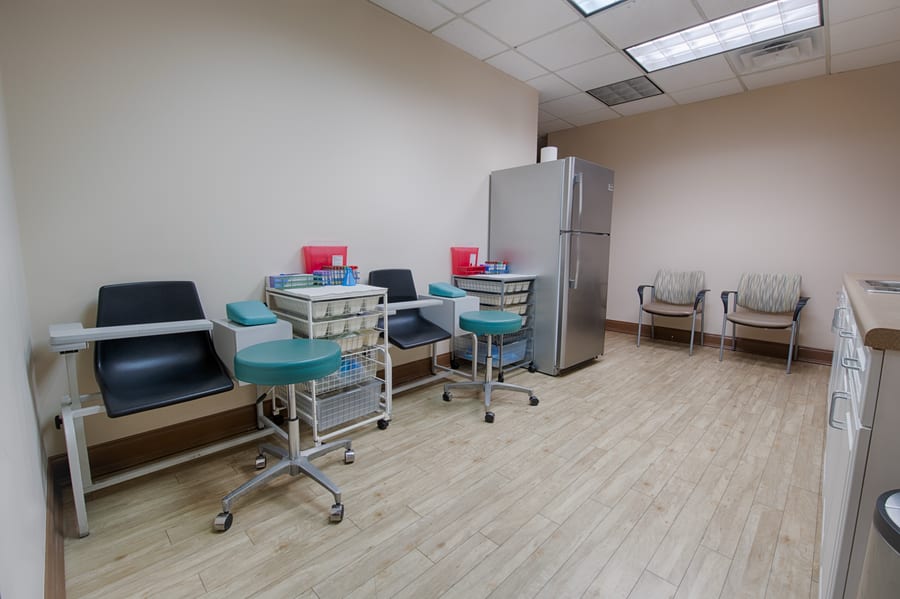
Testing That Goes Beyond a Standard Hormone Panel
A standard OB/GYN workup for low libido usually stops at estrogen and progesterone. We build a complete picture of your hormones, your thyroid, your neurotransmitters, and your nutrient status before we recommend a single treatment.
The initial consultation with your physician is $250 and includes a full history, symptom review, and a personalized testing plan. Everything discussed is completely confidential.
- Complete hormone panel Estradiol, estriol, progesterone, total and free testosterone, DHEA, SHBG, LH, FSH, prolactin, and cortisol rhythm.
- Complete thyroid panel Free T3, free T4, reverse T3, and thyroid antibodies, not just TSH.
- Neurotransmitter levels Dopamine, serotonin, norepinephrine, GABA, and their metabolites.
- Adrenal and stress markers Four-point cortisol rhythm, DHEA-S, and pregnenolone.
- Key nutrients Vitamin D, B vitamins (especially B12 and folate), iron and ferritin, magnesium, and zinc.
- Inflammatory and autoimmune markers Ordered when the clinical picture indicates it.
- Medication review Current prescriptions and supplements, with attention to SSRIs, hormonal birth control, and blood pressure medications that affect sexual function.
Common Women's Sexual Health Concerns
Each of these concerns has identifiable, treatable causes. We diagnose and address the root factors, not just the symptoms.
Low Libido (Hypoactive Sexual Desire Disorder)
Low desire in women is almost always multifactorial. Hormonal shifts, cortisol dysregulation from chronic stress, subclinical thyroid dysfunction, nutrient depletion, and medication side effects all contribute. Our approach identifies which drivers are active in your case and addresses them together. Treatment may include bioidentical hormone optimization (including testosterone when indicated), thyroid support, adrenal and cortisol work, nutrient repletion, and medication review.
Anorgasmia
Anorgasmia is difficulty or inability to reach orgasm after adequate stimulation. It is more common than most women realize. Physiological drivers include hormonal deficiencies (low testosterone, low estrogen, low progesterone), neurotransmitter imbalances affecting the dopamine-serotonin pathway, medication side effects (especially SSRIs), pelvic floor dysfunction, and cardiovascular or blood-flow issues. Treatment is tailored to what the labs and history show.
Painful Intercourse and Vaginal Dryness
Painful intercourse and vaginal dryness are most often driven by declining estrogen, but they can also be driven by autoimmune activity, medication effects, or pelvic floor dysfunction. Bioidentical hormone therapy, including localized estrogen support when indicated, addresses the most common cause. For discomfort tied to pelvic floor tone, pelvic floor therapy may be part of the plan. See the Menopause page for the broader menopausal context.
Medication-Induced Sexual Dysfunction
Antidepressants (especially SSRIs), hormonal birth control, blood pressure medications, and certain antihistamines can all suppress sexual desire, arousal, or orgasm. If a medication is driving the problem, the answer is not always to stop the medication. It is to address why it was prescribed and build toward a plan that does not require the trade-off, cross-linking to our Depression and Anxiety protocols when those are the originating diagnoses.
A Root-Cause Approach to Women's Sexual Health
Your treatment plan is personalized based on your diagnostic results. These are the primary tools our team uses, selected and combined for your specific situation.
Bioidentical Hormone Therapy (BHRT)
Primary treatment. Estrogen, progesterone, and testosterone optimization tailored to lab findings, using the smallest effective dose.
Learn moreAdvanced Diagnostic Testing
Hormone, thyroid, neurotransmitter, adrenal, and nutrient panels that build a complete picture before we recommend a single treatment.
Learn moreNaturopathic Medicine
Supplement and herbal protocols for hormone, adrenal, and thyroid support, coordinated with your physician plan.
Learn moreIV Therapy
Nutrient support for iron, B vitamin, and vitamin D deficiencies that affect energy and hormonal function.
Learn moreBiofeedback
Stress and cortisol management, which directly affects libido and sexual function.
Learn moreEmsella
Non-invasive pelvic floor strengthening through high-intensity focused electromagnetic technology. Used for pelvic floor tone, with relevance for sexual health in women with pelvic floor dysfunction.
Standard OB/GYN vs. Functional Medicine
Your OB/GYN does essential work. Standard women's health care is not built around sexual health as a primary complaint. Here is where the approaches diverge.
Typical Standard OB/GYN Approach
- Tests estrogen and progesterone only
- Does not routinely test testosterone in women
- Does not evaluate neurotransmitters, thyroid beyond TSH, or cortisol rhythm
- Often attributes symptoms to age, stress, or relationship factors
- Offers standard HRT or birth control as primary intervention
- Limited time for root-cause discussion during appointments
Progressive Medical Center
- Comprehensive hormone panels including testosterone, DHEA, SHBG, and cortisol rhythm
- Complete thyroid panel (free T3, free T4, reverse T3, thyroid antibodies)
- Neurotransmitter evaluation and nutrient testing (vitamin D, B vitamins, iron, zinc)
- Bioidentical hormone optimization tailored to your panel, using the smallest effective dose
- Medication review for sexual side effects, with root-cause work on the underlying condition
- Multi-provider team coordinating hormone, nutrition, stress, and thyroid work
- Ongoing monitoring and protocol adjustment based on follow-up testing
- Addresses energy, mood, sleep, and weight alongside sexual health
Explore Our Complete Women's Health Program
Women's sexual health is one piece of a larger picture. Our Women's Health program addresses hormone balance, energy, sleep, mood, weight resistance, pelvic floor health, and cardiovascular wellness alongside sexual function. Most of our women's health patients find that fixing the underlying imbalances improves all of these areas, not just the one that brought them in.
Women's Sexual Health Rarely Travels Alone
The same imbalances that show up as low libido or sexual dysfunction are usually showing up in your energy, sleep, mood, and cycles too.
Common Questions About Women's Sexual Health Treatment
Why have I lost interest in sex as a woman?
The most common drivers we identify are hormonal shifts (declining estrogen, progesterone, testosterone, or DHEA), subclinical thyroid dysfunction, chronic stress and cortisol dysregulation, medication side effects (especially SSRIs and hormonal birth control), nutrient deficiencies, and neurotransmitter imbalances affecting the dopamine-serotonin pathway. Most women come in convinced one of these is the issue and find out it is actually a combination of two or three. The diagnostic workup sorts out which.
Can bioidentical hormones improve female sex drive?
For many women, yes, when the underlying driver is hormonal. Bioidentical estrogen, progesterone, testosterone, and DHEA optimization, tailored to your actual lab findings and dosed at the smallest effective amount, can improve libido, arousal, and overall sexual function. It is not a guarantee for every patient, and it is not always the whole answer (stress, thyroid, and nutrient status often need to be addressed alongside). But for hormonally-driven low libido, BHRT is a primary tool and a well-supported one.
Do antidepressants cause sexual dysfunction and can it be treated?
Sexual side effects are among the most common complaints associated with SSRIs and similar antidepressants, affecting desire, arousal, and ability to reach orgasm. These side effects can often be addressed, though not always by staying on the same medication. The approach we take is to identify and treat the underlying reason the antidepressant was prescribed (often a serotonin-dopamine imbalance, thyroid dysfunction, or hormonal driver) and work with your prescribing physician toward a plan that addresses the root cause. Our Depression and Anxiety pages describe how we approach these conditions.
What is anorgasmia and what causes it?
Anorgasmia is the difficulty or inability to reach orgasm after adequate stimulation. Physiological drivers include hormonal deficiencies (particularly low testosterone, low estrogen, and low progesterone), neurotransmitter imbalances (dopamine and serotonin both play roles), medication side effects (especially SSRIs), pelvic floor dysfunction, and vascular or blood-flow issues. Workup and treatment depend on which drivers are present for you specifically. For many women, hormone optimization and medication review together resolve the issue.
How does menopause affect sexual health beyond hot flashes?
Declining estrogen affects vaginal tissue, lubrication, and tissue elasticity, which can lead to dryness and painful intercourse. Declining testosterone and DHEA affect libido and arousal. Declining progesterone affects sleep and mood, which indirectly affect sexual interest. Cortisol and thyroid dysregulation often intensify around menopause and add fatigue to the picture. A full workup in the perimenopausal and post-menopausal years should address all of these together, not just estrogen. Our Menopause page covers the broader menopausal picture.
Can low testosterone in women affect libido?
Yes. Women produce testosterone in smaller amounts than men, but it plays a central role in libido, energy, muscle tone, mood, and mental clarity. Testosterone naturally declines with age and can drop further with chronic stress, certain medications, or oophorectomy. Most standard hormone panels for women do not include testosterone. Ours do. When low testosterone is part of the picture, we address it with bioidentical testosterone therapy at the smallest effective dose and monitor closely.
Ready to Get Real Answers?
You have spent enough time being told it is just stress, enough time being told everything looks normal, enough time quietly wondering whether this is just how it is now. It is not. Let us run the full panel, build a real plan, and get you back to feeling like yourself. Everything discussed is completely confidential. No referral needed.