Diagnostic Testing
Finding what others miss through advanced functional diagnostics across hormones, gut health, toxicity, nutrition, and immune function. When standard labs keep coming back normal, this is where the search actually starts.
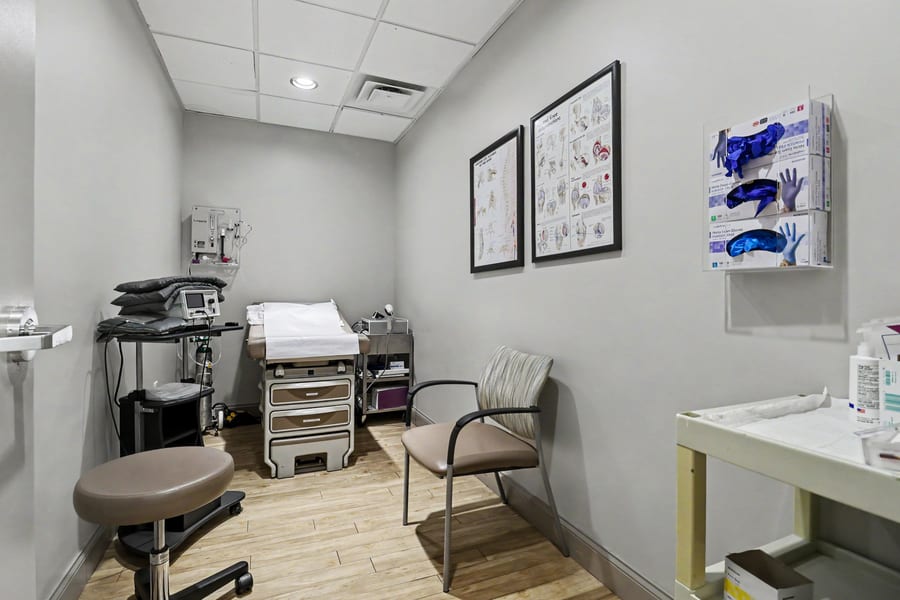
We Find What Others Miss
Most patients who come to Progressive Medical Center have already been through extensive testing at other practices. Bloodwork that came back "normal." Imaging that didn't explain the symptoms. Specialist visits that led to more specialist visits. The problem isn't that those tests were wrong. It's that they weren't looking deep enough.
PMC's diagnostic approach goes further. We test over 1,000 biomarkers across the systems that drive chronic disease: inflammation, oxidative stress, toxicity, nutritional status, hormonal balance, immune function, and gut health. Every chronic illness has roots in one or more of these systems, and measuring them together is how the treatment plan gets built on evidence rather than guesswork.
Diagnostic testing is Step 3 of the Progressive Method, the process every patient follows.
What We Test
Our diagnostic panels cover six core areas that conventional testing often overlooks. Together, they reveal the full picture of what's driving your symptoms.
Food Sensitivity and Gut Health
Comprehensive food sensitivity testing that goes beyond conventional allergy panels, GI microbiome analysis, and markers for intestinal permeability (leaky gut). Your gut houses 85% of your immune system and 95% of your neurotransmitters. When it's compromised, everything downstream is affected, from energy and mood to autoimmune response.
Hormones and Adrenal Function
Complete hormone profiles including thyroid, adrenal stress response, and sex hormones. Not just a single TSH or testosterone level. A comprehensive look at how your hormonal systems are working together, and where they're falling short.
Toxicity and Heavy Metals
Environmental toxin exposure and heavy metal accumulation testing. Lead, mercury, and other metals damage mitochondria, increase inflammation, and interfere with normal cellular function. Knowing your toxic load is the first step to removing it.
Nutritional Status
Amino acids, fatty acids, fat-soluble vitamins, and micronutrient levels. These nutrients drive thousands of metabolic reactions every minute. Deficiencies explain persistent fatigue, brain fog, immune weakness, and slow recovery that standard bloodwork never reveals.
Inflammation and Oxidative Stress
Markers for chronic inflammation and free radical damage. Inflammation drives heart disease, neurological conditions, and cancer progression. Oxidative stress depletes your mitochondria, the powerhouses that produce all of your cellular energy. Both are measurable and treatable.
Immune Function and Metabolic Health
Immune system markers including critical interleukins, cardiovascular risk panels beyond standard cholesterol, neurotransmitter profiles, and metabolic indicators for diabetes and insulin resistance. The tests that catch disease processes before they become diagnoses.
How the Testing Process Works
From your first consultation through a completed treatment plan, here's what to expect.
Initial Consultation
Your diagnostic workup begins with a comprehensive consultation. Your doctor reviews your full medical history, current symptoms, previous test results, and goals. This conversation determines which diagnostic panels are most relevant for your situation. Not every patient needs every test. Your workup is tailored to your specific case.
Sample Collection
Testing uses straightforward methods: blood draws, saliva samples, urine collection, and stool samples depending on the panels ordered. Your provider determines which tests are done on-site and which use take-home kits. Your care team walks you through every step.
Analysis and Review
Results are analyzed by your care team, not just a single physician. Your doctor, naturopath, and dietitian review the data together, looking at how your results connect across systems. This multidisciplinary review is what separates PMC's diagnostics from a standard lab report. The same biomarker means different things in different contexts, and our team has the expertise to interpret them as a whole.
Your Personalized Treatment Plan
Based on your results, your care team builds a treatment plan that targets the specific imbalances and dysfunctions your testing revealed. You'll understand exactly what was found, why it matters, and what the plan is to address it. Diagnostic testing isn't the end of the process. It's the beginning of a targeted, evidence-based treatment strategy.
Advanced Diagnostics for Complex Cases
Diagnostic testing is the starting point for every condition we treat. Whether you're dealing with a new diagnosis or years of unresolved symptoms, our testing helps us find the root cause.

Led by Andrzej Wor, Director of Diagnostics
PMC's diagnostic department is led by Andrzej Wor, who oversees all advanced testing and lab operations. Under his direction, the diagnostics team ensures every panel is properly administered, processed, and delivered to the clinical team for interpretation.
What makes PMC's diagnostic process different isn't just the tests we run. It's how the results are interpreted. Your physician, naturopath, and dietitian review your data together, looking at connections across systems that a single-provider practice would miss. That collaborative review is what turns a stack of lab results into a clear treatment direction.
Results are reviewed by the providers who will be treating you. Nothing falls through the cracks.
Standard Testing vs. PMC Diagnostics
Most practices run a handful of basic panels. We run hundreds of markers across multiple systems because the answers are often in the connections between them.
Standard Medical Testing
- Basic metabolic panel and CBC
- Single TSH for thyroid function
- Standard lipid panel for cholesterol
- Basic urinalysis
- Results reviewed by one physician
- Focused on individual symptoms
PMC Advanced Diagnostics
- 1,000+ biomarkers across multiple systems
- Complete thyroid, adrenal, and sex hormone panels
- Advanced cardiovascular risk including oxidized LDL
- GI microbiome, food sensitivity, and leaky gut markers
- Heavy metal and environmental toxin panels
- Amino acids, fatty acids, and micronutrient levels
- Immune function interleukins and neurotransmitter profiles
- Results reviewed by multidisciplinary care team
- Systems-based analysis connecting root causes
Diagnostic Testing FAQ
Do I need a referral for diagnostic testing?
No. You can schedule a consultation directly. Call (770) 676-6000 or book online. Your doctor will determine the appropriate diagnostic panels during your initial visit.
How is this different from the bloodwork my regular doctor runs?
Standard bloodwork typically covers a basic metabolic panel, CBC, and maybe a lipid panel. PMC's diagnostic testing analyzes over 1,000 biomarkers across gut health, hormones, toxicity, nutritional status, inflammation, oxidative stress, immune function, and metabolic health. We're looking at the root-cause processes behind your symptoms, not just surface-level markers.
How much does diagnostic testing cost?
Testing costs vary based on which panels your doctor recommends. The initial consultation is $250, or $450 for cancer patients. Your doctor will discuss the specific testing plan and costs before any testing begins. PMC is out-of-network, but we provide superbills that you can submit to your insurance for potential reimbursement. Cherry Financing and CareCredit are also available. Visit our Insurance and Financing page for details.
Do I need to prepare for the tests?
Preparation depends on the specific panels ordered. Your care coordinator will provide detailed instructions before your appointment, including any fasting or timing requirements. Most patients find the process straightforward.
Can I bring previous test results from other providers?
Yes, and we encourage it. Previous results help your doctor understand what's already been tested and where the gaps are. Bring any lab work, imaging reports, or specialist notes you have. It helps us avoid redundant testing and gives us a more complete picture from the start.
What happens after I get my results?
Your care team reviews your results as a group, looking at how findings connect across systems. Then you meet with your doctor to go through every result, what it means, and the recommended treatment plan. From there, your personalized treatment begins. Visit our Our Approach page to see the full patient journey.
I'm traveling from out of town. Can the testing be done during my visit?
Yes. PMC regularly works with out-of-town patients and coordinates diagnostic testing to be completed efficiently during your stay. Your patient navigator will plan your schedule so testing and initial consultations happen without wasted days. Visit our Out-of-Town Patients page for details on how we support traveling patients.
Ready to Find Out What's Really Going On?
Schedule a consultation and let our team determine the right diagnostic approach for your situation. No referral needed.