Biofeedback and Brain Mapping
See what your brain is telling you through non-invasive brain training and neurotherapy at Progressive Medical Center in Atlanta. Drug-free care guided by QEEG brain mapping for cognitive decline, ADHD, anxiety, chronic pain, memory loss, and neurological recovery.
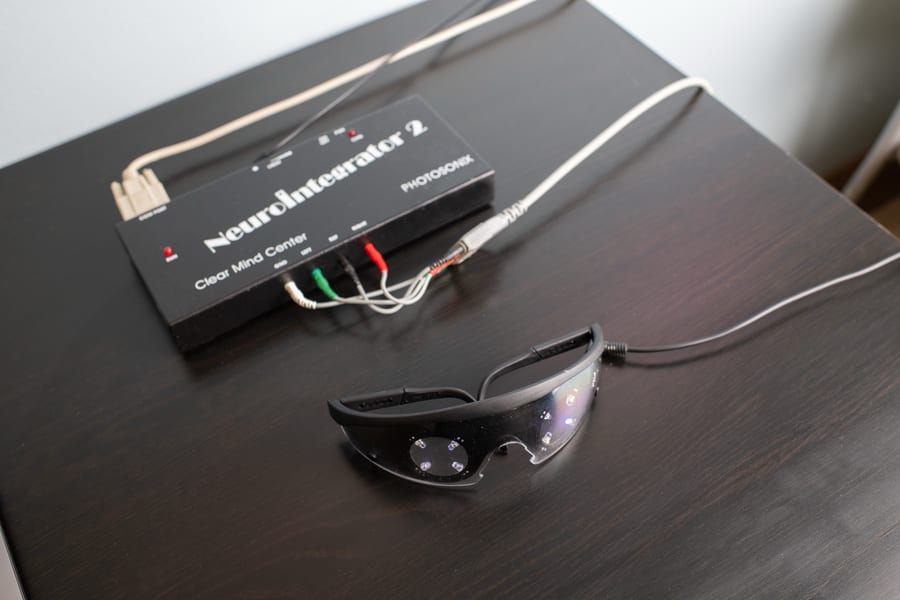
What Is Biofeedback Therapy?
Your brain controls every function in your body. It interprets signals, manages sleep, stores memory, regulates your stress response, and processes decisions in fractions of a second. When the brain or nervous system is not functioning optimally, the effects show up everywhere: chronic pain, anxiety, poor sleep, cognitive fog, difficulty concentrating, and conditions that resist conventional treatment.
Biofeedback therapy gives your care team a window into how your body's systems are actually performing, then uses that information to help retrain them. By placing non-invasive sensors on the body, we can monitor physiological functions like heart rate, muscle tension, breathing patterns, and electrical brain activity in real time. You learn to recognize and regulate these processes, and your providers use the data to design targeted interventions.
At Progressive Medical Center in Atlanta, biofeedback is part of our integrative approach to treating patients dealing with neurological conditions, cognitive decline, chronic stress, ADHD, and recovery from brain injuries. It is safe, non-invasive, and completely drug-free.
See how it works at Progressive Medical Center.

See Your Brain, Then Train It
Biofeedback at PMC starts with measurement, not guesswork. Using quantitative EEG (QEEG) brain mapping, your provider captures a detailed picture of your brain's electrical activity. Non-invasive sensors placed on the scalp record brainwave patterns across multiple regions, revealing which areas are overactive, underactive, or poorly coordinated.
This map becomes the foundation for a personalized neurotherapy plan. Rather than applying a one-size-fits-all protocol, your provider targets the specific areas of the brain that are not performing optimally. During training sessions, you receive real-time visual and auditory feedback that helps your brain learn to self-regulate, strengthening the neural pathways that support focus, calm, memory, and emotional stability.
The process is simple and painless. Most patients find it relaxing. And because the treatment is guided by your brain's own data, progress can be measured objectively from session to session.
What Biofeedback and Brain Training Can Do
By making invisible brain and nervous system activity visible, biofeedback enables targeted improvements that medication and talk therapy alone cannot achieve.
Cognitive Optimization
Neurofeedback trains the brain to produce more efficient brainwave patterns, supporting improvements in focus, mental clarity, processing speed, and working memory. Patients dealing with brain fog, difficulty concentrating, or age-related cognitive decline often experience measurable gains through structured brain training sessions.
Stress and Anxiety Regulation
Heart rate variability (HRV) biofeedback and neurofeedback help retrain the body's stress response. By teaching the nervous system to shift from a chronic fight-or-flight state toward a more balanced baseline, patients develop a measurable capacity to manage stress, reduce anxiety, and improve emotional regulation without medication.
ADHD and Focus
Neurofeedback has been studied extensively for attention deficit conditions. By training specific brainwave patterns associated with sustained focus and impulse control, patients can improve attention and self-regulation. For children and adults seeking alternatives to stimulant medication, biofeedback offers a drug-free path forward.
Chronic Pain Management
Biofeedback techniques like electromyography (EMG) help patients identify and release chronic muscle tension patterns that contribute to pain. Combined with neurofeedback for the central nervous system's pain processing pathways, patients gain tools to modulate their pain response and reduce reliance on medication for migraines, fibromyalgia, and tension headaches.
Sleep Improvement
Many sleep disorders stem from dysregulated brainwave patterns. An overactive brain at bedtime, an underactive brain during the day, or disrupted transitions between sleep stages can all be identified through QEEG mapping. Neurofeedback training targets these specific patterns, helping the brain learn to wind down naturally and maintain healthier sleep architecture.
Brain Injury and Neurological Recovery
For patients recovering from traumatic brain injuries, concussions, or stroke, biofeedback supports neuroplasticity by reinforcing healthy neural pathways and helping damaged areas of the brain compensate and rebuild. QEEG mapping tracks progress objectively, and training protocols adapt as the brain recovers.
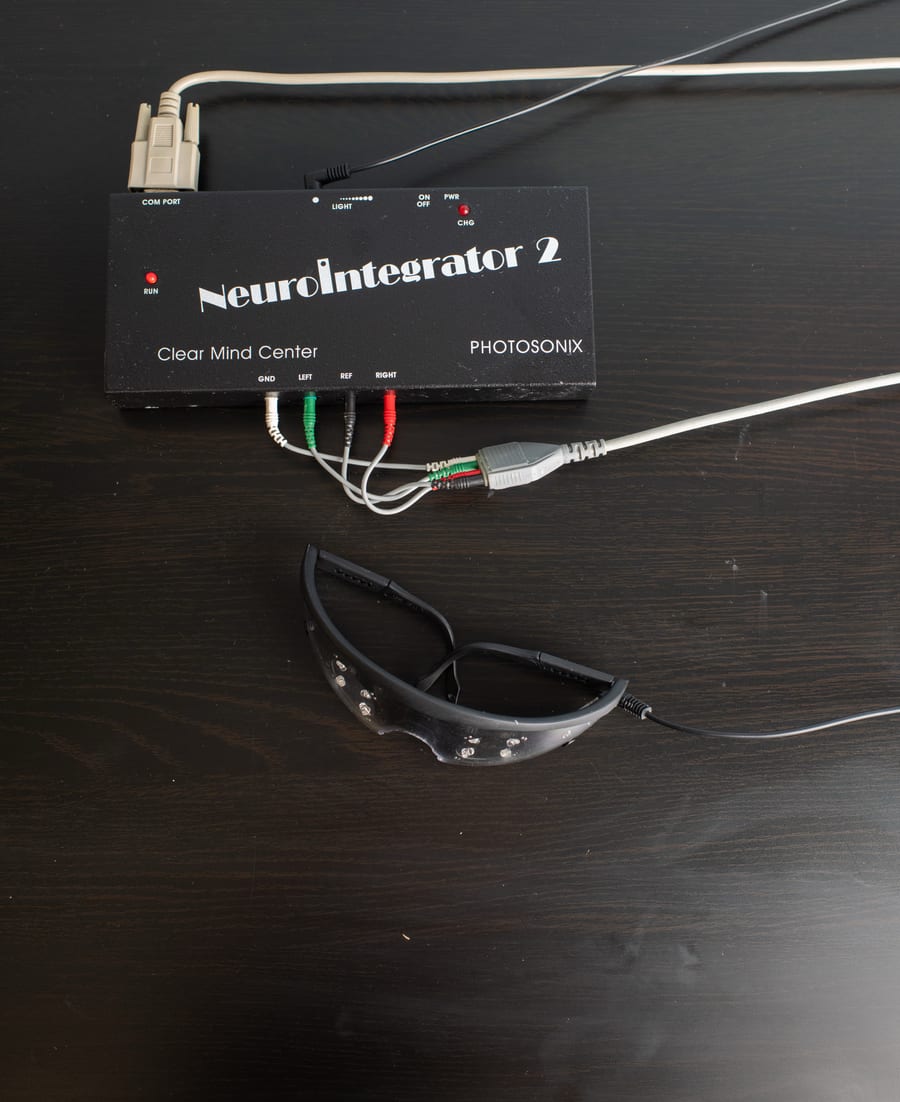
QEEG Brain Mapping: What It Shows You
Before any brain training begins, PMC uses quantitative electroencephalography (QEEG) to create a detailed functional map of your brain. This is not a standard neurological exam. QEEG captures electrical activity across 19 or more sites on the scalp, comparing your brainwave patterns against normative databases to identify specific areas of dysregulation.
The resulting brain map reveals patterns that correlate with symptoms: excessive slow-wave activity in the frontal lobes may relate to attention difficulties, while elevated beta activity can indicate anxiety or an overactive stress response. Asymmetries between hemispheres, coherence issues between brain regions, and disrupted frequency ratios all become visible.
This data drives everything that follows. Your provider uses the brain map to design a neurofeedback protocol that targets your specific patterns rather than applying a generic approach. Progress is tracked by repeating the QEEG at intervals, giving both you and your provider objective evidence of how the brain is changing over time.
Biofeedback Modalities at PMC
PMC uses multiple biofeedback techniques, often in combination, to address the full spectrum of brain and nervous system dysfunction.
Neurofeedback (EEG Biofeedback)
The primary brain training modality. EEG sensors monitor brainwave activity in real time while you engage with visual or auditory feedback. When your brain produces the target patterns, the feedback rewards it. Over repeated sessions, the brain learns to produce these patterns on its own. Used for ADHD, anxiety, cognitive decline, sleep disorders, and brain injury recovery.
Heart Rate Variability (HRV) Training
HRV biofeedback monitors the variation in time between heartbeats, which reflects the balance between your sympathetic (fight-or-flight) and parasympathetic (rest-and-digest) nervous systems. Training improves this variability, strengthening the body's ability to respond to stress and recover quickly. Particularly effective for chronic stress, anxiety, high blood pressure, and emotional regulation.
EMG and Bioelectric Feedback
Electromyography (EMG) measures muscle tension patterns that contribute to chronic pain, headaches, and stress-related symptoms. By visualizing muscle activity in real time, patients learn to release tension they may not even know they are carrying. This modality also incorporates bioelectric frequency-based feedback, which uses controlled electrical signals to support the body's natural pain-modulation pathways, offering a non-pharmaceutical alternative for patients who want to avoid long-term pain medication.
Conditions That Respond to Biofeedback
Because biofeedback works directly with the brain and nervous system, its applications span cognitive, neurological, emotional, and pain-related conditions.
What to Expect
From your initial brain mapping assessment through your training sessions, here is what the process looks like at Progressive Medical Center.
Consultation and Brain Mapping
Your provider reviews your health history, symptoms, and goals to determine whether biofeedback is appropriate. If brain-related concerns are present, a QEEG brain mapping session is scheduled. Non-invasive sensors capture a detailed picture of your brain's electrical activity, producing a functional map that shows exactly which areas need attention. The consultation covers your full clinical picture. Pricing is reviewed with you before any testing or training begins.
Personalized Protocol Design
Your provider analyzes the brain map alongside your symptoms and diagnostic results to design a training protocol specific to your patterns. This is not a generic program. The protocol targets the exact brainwave frequencies, regions, and coherence patterns that the QEEG identified as dysregulated. Your provider explains what the training will focus on, how many sessions are recommended, and what improvements to expect.
Training Sessions
During each session, sensors are placed on your scalp (completely painless) and you engage with visual or auditory feedback on a screen. When your brain produces the target patterns, the feedback responds positively. Over time, your brain learns to produce these patterns on its own. Sessions typically last 30 to 45 minutes. Most patients find the experience calming and even enjoyable. Some read or rest between active training intervals.
Progress Tracking and Adjustment
Your provider monitors your response across sessions and adjusts the protocol as your brain changes. Follow-up QEEG assessments provide objective evidence of progress, comparing your current brain map to the baseline. Many patients begin noticing improvements in focus, sleep, or emotional regulation within the first several sessions. Your provider adapts the training as you progress to continue building on gains.
Clinical Neurofeedback vs. Consumer Brain Training
Brain training apps and consumer EEG headbands have grown in popularity, but clinical neurofeedback is a fundamentally different level of care.
Consumer Apps and Devices
- Generic protocols not tailored to your brain
- Limited sensor placement (1 to 4 channels)
- No baseline brain mapping or diagnostic assessment
- Self-directed with no clinical oversight
- No objective progress measurement
- Entertainment-grade accuracy and feedback
Clinical Neurofeedback at PMC
- Protocols designed from your QEEG brain map
- 19+ channel EEG with full-head coverage
- Diagnostic-level brain assessment before training begins
- Supervised by a dedicated brain health specialist
- Progress tracked through repeat QEEG comparisons
- Integrated with your broader medical treatment plan
Therapies That Work Alongside Biofeedback
Biofeedback and brain training are most effective as part of a coordinated treatment plan. These therapies are commonly paired with neurofeedback to support brain health and recovery.
Diagnostic Testing
QEEG brain mapping is one piece of the diagnostic picture. PMC's advanced functional testing identifies nutritional deficiencies, hormonal imbalances, and metabolic issues that may be contributing to cognitive symptoms. Addressing the underlying biology alongside brain training produces better outcomes than either approach alone.
Learn moreHyperbaric Oxygen
The brain is the body's most oxygen-demanding organ. HBOT floods brain tissue with pressurized oxygen, supporting neuroplasticity and cellular repair. Pairing HBOT with neurofeedback gives the brain both the fuel it needs to heal and the training to reorganize its function.
Learn moreApollo/Bredesen Program
For patients concerned about early memory loss, mild cognitive impairment, or a family history of Alzheimer's, the Apollo/Bredesen program pairs functional medicine protocols for cognitive decline with neurofeedback training. Brain mapping provides baseline and follow-up data that track progress through the program.
Learn moreBiofeedback and Brain Mapping FAQ
What is the difference between biofeedback and neurofeedback?
Biofeedback is the broader category. It refers to any technique that monitors physiological functions (heart rate, muscle tension, skin temperature, breathing) and helps you learn to regulate them. Neurofeedback is a specific type of biofeedback that focuses exclusively on electrical activity in the brain using EEG sensors. At PMC, we use both depending on your needs. Neurofeedback is the primary modality for cognitive, neurological, and attention-related concerns. HRV and EMG biofeedback are used for stress, pain, and nervous system regulation.
Is biofeedback therapy painful?
Not at all. Biofeedback and neurofeedback involve placing lightweight, non-invasive sensors on the scalp or body. Nothing enters the body. There are no electrical impulses or stimulation during standard neurofeedback. The sensors only read signals. Most patients describe the experience as relaxing, and many find neurofeedback sessions calming enough that they feel rested afterward.
How many sessions will I need?
That depends on your condition, the severity of your symptoms, and how your brain responds to training. Some patients notice improvements within 10 to 15 sessions, while more complex neurological conditions may benefit from 20 to 40 sessions or more. Your provider designs the protocol based on your QEEG results and adjusts it as you progress. Follow-up brain mapping assessments help determine when training goals have been met.
What does a brain mapping (QEEG) session involve?
A QEEG session involves placing a cap with sensors on your scalp while you sit comfortably. The sensors record electrical activity across multiple brain regions, typically over 20 to 30 minutes. You may be asked to sit with eyes open and eyes closed during different portions. The data is compared against normative databases to identify areas of dysregulation. The entire process is painless and non-invasive.
What does brain mapping actually show?
Brain mapping reveals which areas of your brain are performing optimally and which are overactive, underactive, or poorly coordinated. For example, excessive slow-wave activity in the frontal lobes can correlate with attention difficulties, while elevated beta activity may indicate anxiety or an overactive stress response. Coherence patterns show how well different brain regions are communicating. This information becomes the blueprint for your neurofeedback training protocol.
Can children receive biofeedback and neurofeedback?
Yes. Neurofeedback has been used with children for conditions including ADHD, autism spectrum disorder, anxiety, and learning difficulties. The process is the same as for adults but adapted for comfort and engagement. PMC offers integrative pediatric care, and biofeedback can be part of a child's broader treatment plan when appropriate. Visit our Integrative Pediatrics page to learn more.
How much does biofeedback therapy cost?
Biofeedback and brain mapping pricing is discussed during your initial consultation. Your provider explains the recommended protocol, number of sessions, and associated costs before training begins. PMC is out-of-network, but we provide superbills for insurance reimbursement. Cherry Financing and CareCredit are also available. Visit our Insurance and Financing page for details.
Do you accept insurance for biofeedback?
PMC is an out-of-network provider. We provide superbills (detailed receipts) that you can submit to your insurance company for potential reimbursement. Coverage for biofeedback and neurofeedback varies by plan and diagnosis. Our team can help you understand your options. Visit our Insurance and Financing page for more information.
How do I know if biofeedback is right for me?
Biofeedback may be appropriate if you are dealing with cognitive difficulties, attention problems, chronic stress or anxiety, sleep issues, chronic pain, or recovery from a brain injury. It is particularly suited for patients looking for non-invasive, drug-free approaches. The best way to find out is a consultation with our team. Call (770) 676-6000 to schedule.
Ready to See What Your Brain Can Tell You?
Schedule a consultation with our team to find out if biofeedback and brain mapping are the right fit for your treatment plan. No referral needed.