Anxiety
Sweaty palms. A racing heart. A mind that will not stop. When 'just relax' is not the answer, something deeper is driving the dysregulation. At Progressive Medical Center, we find out what is actually firing your nervous system, so treatment goes beyond managing symptoms.

When Medication Alone Has Not Been Enough
You have been told to just relax. To breathe. To think positively. Maybe you have tried medication and gotten some relief, but the underlying pattern keeps coming back. Or maybe medication helped with some symptoms and not others, and no one has ever explained why.
You are not imagining it, and you are not overreacting. Anxiety disorders are real, measurable conditions with identifiable drivers. Standard care can manage symptoms; root-cause care asks what is actually firing the nervous system at the level it does.
Understanding the Condition
Your Anxiety Has a Root Cause. It Can Be Found.
More Than "Just Anxiety"
Anxiety disorders take many forms. The most common are generalized anxiety disorder (GAD), panic disorder, social anxiety, specific phobias, obsessive-compulsive disorder (OCD), and post-traumatic stress disorder (PTSD). Each presents differently, but most share a common thread: the nervous system is running at a higher baseline than the situation calls for, and the body is paying the cost.
Recognizing the Signs
Symptoms vary in pattern and intensity, and they are rarely limited to mood. Patients describe nausea, dizziness, muscle tension, numbness or tingling in hands and feet, inability to sit still, dry mouth, shortness of breath, heart palpitations, sleep disruption, sweating in hands and feet, difficulty thinking clearly, a constant sense of dread, and an uneasiness that does not let up. Tracking symptoms in a simple diary and sharing the pattern with your provider helps map which drivers matter most in your case.
Root Causes That Standard Care Rarely Tests For
Standard anxiety care diagnoses from a symptom checklist and prescribes from a medication list. That pathway helps many patients, but it does not tell you why your nervous system is dysregulated. Here are the contributors we measure:
- Gut dysfunction. Roughly 90 percent of serotonin and a significant share of GABA are produced in the gut. Microbiome imbalance, leaky gut, food sensitivities, and SIBO all show up as anxiety symptoms upstream of any psychiatric conversation.
- Hormonal imbalance. Cortisol dysregulation, thyroid dysfunction, perimenopause and menopause hormone shifts, and low testosterone all drive anxiety patterns. A single morning cortisol draw misses most of what matters.
- Neurotransmitter imbalance. GABA, serotonin, dopamine, and norepinephrine can each drive distinct anxiety presentations. Testing before prescribing changes the conversation.
- Nutritional deficiencies. Magnesium, B vitamins, zinc, amino acids, and vitamin D deficiencies are common in anxiety patients and are correctable.
- Chronic inflammation. Inflammatory markers correlate with anxiety symptom severity; treating the inflammation often reduces the anxiety.
- Environmental toxins. Heavy metals, mold exposure, and chronic toxic burden affect brain chemistry and are rarely tested in a standard workup.
Anxiety Rarely Travels Alone
Anxiety commonly co-occurs with depression, chronic fatigue, thyroid dysfunction, and hormonal imbalance. Treating one in isolation often means leaving the others to drive the symptoms back.
Test First. Treat Second.
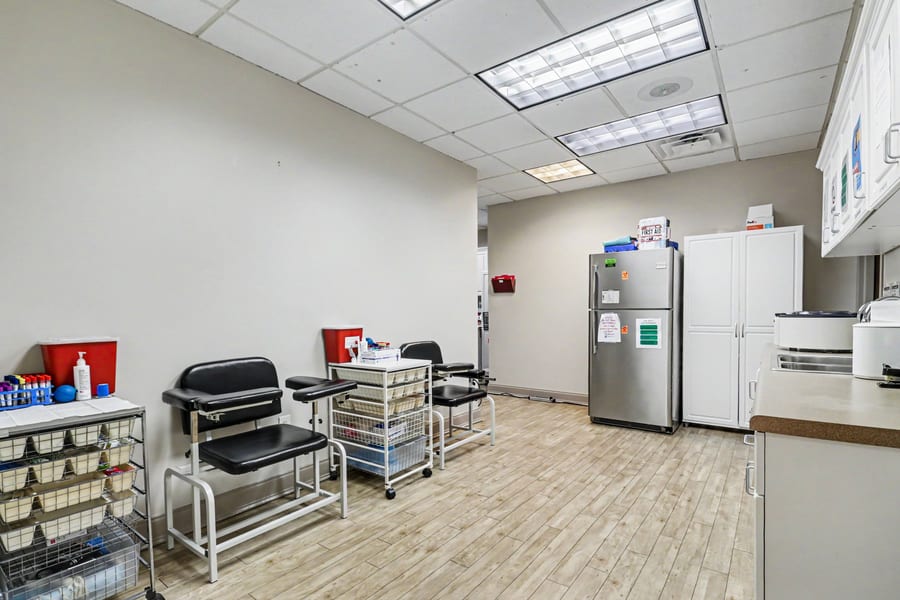
Standard care prescribes based on a symptom report. We prescribe, or recommend against prescribing, based on what the testing actually shows. No referral is required.
- Neurotransmitter panel GABA, serotonin, dopamine, norepinephrine, and their metabolites.
- Cortisol and DHEA ratios Diurnal or salivary, not a single morning draw.
- Full hormone panel Thyroid, sex hormones, and adrenal.
- Gut health markers Inflammation, microbiome, food sensitivities, and SIBO where indicated.
- Nutritional status Magnesium, B vitamins, zinc, vitamin D, and amino acids.
- Inflammatory markers hs-CRP and homocysteine.

The Second Brain That Controls the First
The vagus nerve connects your gut directly to your brain, and it carries more signals up than it does down. Roughly 90 percent of your body's serotonin is produced in the gut, along with a significant share of GABA, the neurotransmitter that calms the nervous system.
When the microbiome is disrupted, when the gut lining is inflamed, or when food sensitivities are triggering a low-grade immune response, the brain feels it as anxiety. This is why patients who have done everything right with medication still report that something feels off, and why gut-targeted treatment often produces the lasting relief that standard protocols miss.
Your Path to Feeling Calm Again
Comprehensive Evaluation
An unhurried first visit with a provider who actually listens. We order the comprehensive diagnostics that standard care rarely runs.
Root-Cause Identification
We map which specific drivers are firing in your case. Neurotransmitter pattern, cortisol pattern, gut pattern, nutrient pattern; each one points toward a different intervention.
Personalized Treatment Plan
May include targeted supplementation (magnesium, B vitamins, amino acids), gut healing protocols, hormone optimization, biofeedback or neurofeedback, IV nutrient therapy, naturopathic supplements, and dietary modifications. Medication is not ruled out, but it is not the automatic first step.
Ongoing Monitoring and Adjustment
Follow-up testing shows whether the drivers are actually shifting. Treatment adjusts based on what your body is doing, not just how you feel on a given week.
Therapies Used in Anxiety Programs
Biofeedback / Brain Mapping
Primary differentiator. QEEG brain mapping identifies dysregulated patterns; neurofeedback trains the nervous system toward calmer baselines. Drug-free, clinically measurable, often covered when other approaches have plateaued.
Learn moreAdvanced Diagnostic Testing
Neurotransmitter panels, cortisol/DHEA ratios, gut health markers, and nutritional testing. The 'test first' foundation.
Learn moreIV Therapy
Magnesium, B vitamins, amino acids, and targeted nutrients delivered at therapeutic doses. Bypasses absorption limitations common in anxiety patients.
Learn moreHormone Therapy (BHRT)
When hormonal imbalance is driving anxiety (perimenopause, low testosterone, cortisol patterns), bioidentical hormone therapy addresses the upstream cause.
Learn moreNaturopathic Medicine
Supplement protocols including ashwagandha, L-theanine, magnesium glycinate, and other clinically used adaptogens and calming botanicals, individualized to your panel.
Learn moreInfrared Sauna
Parasympathetic activation; a non-pharmacological tool for nervous system regulation that pairs with biofeedback for many patients.
Learn moreStandard Anxiety Care vs. Root-Cause Treatment
Both approaches have a role. Many of our patients are working with a therapist or a psychiatrist alongside our care, and we coordinate with those providers. The difference is in what gets measured before treatment begins.
Standard Care
- Symptom-based diagnosis
- SSRI or benzodiazepine prescribed as first-line
- Neurotransmitters not tested
- Cortisol not evaluated
- Gut health not assessed
- 'Try this for 6 weeks and see'
- Medication adjustments based on verbal symptom reports
- Single-provider model
Progressive Medical Center
- Comprehensive testing before treatment
- Neurotransmitter levels measured
- Cortisol and DHEA ratios mapped
- Full thyroid, sex hormone, and adrenal panels
- Gut health evaluated (microbiome, food sensitivities, inflammation)
- Nutritional markers tested
- Treatment targeted to specific root causes
- Follow-up testing shows whether drivers are actually shifting
- Multidisciplinary team, coordinated with existing mental health providers

More Than a Prescription
We are not anti-medication. When it is appropriate, it is chosen based on what your actual neurotransmitter levels show, not on a best-guess first-line protocol. Many of our patients have been able to reduce or discontinue anti-anxiety medications under their doctor's supervision as the underlying drivers are resolved. Others continue medication because it is genuinely the right tool for their presentation; we support that too.
The goal is not to replace your psychiatrist or your therapist. The goal is to answer the question standard care rarely asks: why is your nervous system dysregulated in the first place, and what will it take to actually change the pattern?

Understanding Panic Attacks
A panic attack is your nervous system's fight-or-flight response firing at full intensity without an actual threat present. It feels like the body is dying or the mind is losing control. It is neither. Panic attacks peak within about 10 minutes and then pass, every time.
More importantly, there is a reason your nervous system is misfiring, and that reason can be found. Panic attacks are often downstream of specific patterns we can measure: cortisol dysregulation, blood sugar instability, gut-brain disruption, or hormone shifts.
In the moment, slow nasal breathing (a longer exhale than inhale), grounding through the senses (name five things you can see, four you can touch, three you can hear), and a reminder that the sensation will peak and pass are the tools most clinicians recommend. Longer term, we help you identify what is firing the nervous system in the first place.
Conditions That Often Overlap with Anxiety
Anxiety rarely exists in isolation. Many patients are dealing with related conditions that share overlapping root causes.
Anxiety FAQ
Can anxiety be treated without medication?
For many patients, yes. We do not rule out medication; when it is appropriate, it is appropriate. But we do start by identifying the specific drivers (neurotransmitter pattern, cortisol dysregulation, gut disruption, nutrient depletion, hormonal shifts) and treating those. Many of our patients have been able to reduce or discontinue anti-anxiety medications under their doctor's supervision as the underlying contributors are resolved.
What is the gut-brain connection to anxiety?
Roughly 90 percent of your body's serotonin and a significant share of GABA (the neurotransmitter that calms the nervous system) are produced in the gut. The vagus nerve sends more signals from gut to brain than the other way. When the microbiome is disrupted, the gut lining is inflamed, or food sensitivities are triggering a low-grade immune response, the brain registers it as anxiety. Treating the gut often produces the relief that standard anxiety protocols miss.
How does PMC test for the root cause of anxiety?
We run neurotransmitter panels (GABA, serotonin, dopamine, norepinephrine), cortisol and DHEA ratios, a full hormone panel (thyroid, sex hormones, adrenal), gut health markers (microbiome, food sensitivities, inflammation), and nutritional status (magnesium, B vitamins, zinc, vitamin D, amino acids). The specific panel depends on your presentation.
How is this different from seeing a therapist or psychiatrist?
It is complementary, not competing. A therapist addresses the cognitive, emotional, and relational patterns. A psychiatrist manages diagnosis and medication. We investigate the biological drivers that neither discipline typically tests. Many of our patients see all three, and the combination produces better outcomes than any single approach alone.
Can I continue seeing my therapist while getting treatment at PMC?
Absolutely. In fact, we encourage it. We are happy to coordinate with your existing mental health providers so everyone is working from the same information.
How long does treatment take to show results?
Patients with nutritional deficiencies or cortisol dysregulation often notice improvement within weeks. More complex cases involving hormone imbalance or long-standing gut dysfunction typically take 8 to 12 weeks for meaningful change, with continued improvement for months after. We recheck testing on a defined cadence so the plan keeps pace with what your body is doing.
How much does the first consultation cost?
The initial consultation is $250. It includes a full medical history, a review of your anxiety presentation and treatment history, and a plan for diagnostic testing tailored to your case.
Do you accept insurance?
Progressive Medical Center is out-of-network. We provide superbills you can submit to your insurance for potential reimbursement, and we offer Cherry Financing and CareCredit. See Insurance and Financing for details.
Stop Guessing. Start Testing.
Call directly, or request an appointment and a care coordinator will follow up within one business day.