Depression
Your chemistry is out of balance, not your character. Depression is your body's signal that something is off physically, chemically, or emotionally. At Progressive Medical Center, we test first and treat second, identifying the root causes so the treatment actually works.

When Medication Is Not the Whole Answer
You have tried the prescriptions. You have sat through the follow-ups. You have been told your serotonin is low and handed a pill, without anyone testing whether serotonin was actually the problem.
You are not weak. You are not broken. Your body is trying to get your attention.
Depression works like pain. If you put your hand on a hot surface, the pain is a signal to move your hand. Depression is a signal that something deeper is out of balance. Ignore the signal and the imbalance stays.
See how it works at Progressive Medical Center.
What Depression Actually Is
People Are Not Depressed. Their Chemistry Is.
More Than a Chemical Imbalance
"Chemical imbalance" is the phrase most people have heard, but it is an oversimplification of a symphony. Emotions, appetites, sleep schedules, energy, and motivation depend on a delicate balance of neurotransmitters and hormones that shift throughout the day. When that balance is disrupted, depressive symptoms can develop, along with anxiety, fatigue, brain fog, and sleep problems.
The 30 Percent Problem with SSRIs
Conventional care usually starts with an SSRI, an assumption that serotonin is the problem, and a prescription written without a test to confirm it. These medications are only successful about 30 percent of the time. The other 70 percent of patients are left to cycle through medications, dosages, and side effects while the root imbalance goes unmeasured. We are not anti-medication. We are anti-guessing.
Root Causes Standard Care Often Misses
- Gut dysfunction. About 95 percent of the body's serotonin is produced in the intestinal tract, not the brain. Intestinal inflammation, microbiome disruption, and leaky gut can directly suppress neurotransmitter production.
- Thyroid dysfunction. Subclinical hypothyroidism is routinely missed by TSH-only testing and mimics depression symptom-for-symptom.
- Hormonal imbalance. Estrogen, progesterone, testosterone, and cortisol all influence mood. Chronic stress flattens cortisol and drains the system.
- Nutritional deficiencies. Amino acids, B vitamins (especially B12 and folate), vitamin D, magnesium, and zinc are the raw materials your brain uses to build mood chemicals. Without them, mood suffers.
- Chronic inflammation. Systemic inflammation crosses the blood-brain barrier and has been linked to treatment-resistant depression.
- Environmental toxins. Heavy metals, mold exposure, and accumulated toxins can damage the nervous system and interfere with neurotransmitter signaling.
Depression Often Travels with Other Conditions
Depression frequently co-occurs with anxiety, chronic fatigue, thyroid dysfunction, and hormone imbalance. Treating the whole picture matters more than treating one label at a time.
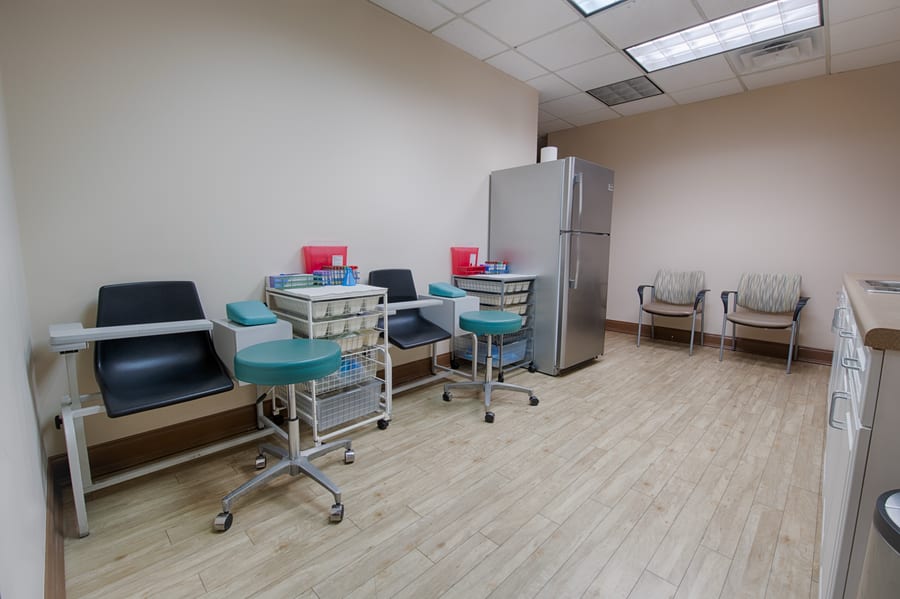
Test First. Treat Second.
Most prescribers do not test neurotransmitter levels before prescribing an SSRI. We do. Before we recommend a single supplement, medication, or therapy, we run comprehensive testing so we know what we are treating.
The initial consultation with your physician is $250 and includes a full review of your history, symptoms, prior treatment, and a personalized testing plan. We are not replacing your psychiatrist or therapist. We are finding the physical drivers that medication and talk therapy alone were never designed to address.
- Neurotransmitter levels Serotonin, dopamine, norepinephrine, GABA, glutamate, and their metabolites.
- Full hormone panel Complete thyroid (not just TSH), cortisol rhythm, sex hormones, and DHEA.
- Nutritional status Amino acids, B vitamins with methylation markers, vitamin D, magnesium, zinc, and ferritin.
- Gut health markers Intestinal inflammation (calprotectin), microbiome composition, food sensitivities, and leaky gut indicators.
- Inflammatory markers hs-CRP, homocysteine, and autoimmune panels when indicated.

Your Second Brain and Your Mood
The enteric nervous system, the network of neurons lining your digestive tract, produces roughly 95 percent of your body's serotonin. That is not a typo. Most of your "happy chemical" is made in your gut, not your brain.
When the gut is inflamed, when the microbiome is out of balance, when food sensitivities are driving low-grade inflammation, the brain pays the price. Intestinal inflammation and changes in gut bacteria have been shown to suppress serotonin and dopamine, disrupt the vagus nerve signal between gut and brain, and create depressive states even when the rest of the chemistry looks normal on paper.
Addressing gut health is not a replacement for other depression treatment. It is a foundation that makes everything else work better. Many of our patients see measurable mood improvement within weeks of starting a targeted gut protocol, often before other interventions have had time to take effect.
Your Path to Feeling Like Yourself Again
Comprehensive Evaluation
Your first visit is a full history and physical with a Progressive Medical Center physician. We take the time to understand your symptoms, prior treatment, what has worked, what has not, what you have been told, and what you suspect. This is often the first time a patient has the experience of someone listening to the full story.
Root-Cause Identification
Targeted lab work based on your intake. Results typically return within one to three weeks. We review the findings with you in plain language and show you exactly which chemistry imbalances are likely driving your depression.
Personalized Treatment Plan
Your plan is built from your results, not a template. Options may include amino acid support to rebuild neurotransmitter production, B vitamin and methylation support, targeted gut repair, hormone optimization (including BHRT when indicated), IV nutrient therapy, neurofeedback or biofeedback for direct brain-based intervention, dietary modifications, and a detox protocol if toxin exposure is a factor. Medication is not ruled out. If an antidepressant is the right tool for your chemistry, it is the right tool. The difference is that it is chosen based on what your labs actually show, not on a 30 percent guess.
Ongoing Monitoring and Adjustment
Depression is a chemistry problem, and chemistry changes. We recheck your markers, adjust your protocol, and taper supports as your baseline stabilizes. Many patients are eventually able to reduce or discontinue antidepressants under their prescribing doctor's supervision once the underlying imbalances are corrected.
Therapies Used in Depression Programs
Advanced Diagnostic Testing
The 'test first' differentiator. Neurotransmitter, hormone, nutritional, gut, and inflammatory panels.
Learn moreBiofeedback and Brain Mapping
QEEG brain mapping and neurofeedback for mood regulation. A direct brain-based intervention that trains healthier patterns without medication.
Learn moreIV Therapy
B-complex, amino acids, magnesium, and targeted nutrient IVs to restore the building blocks for neurotransmitter production.
Learn moreHormone Therapy (BHRT)
Bio-identical hormone replacement for patients whose depression is driven by thyroid, adrenal, or sex hormone imbalance.
Learn moreNaturopathic Medicine
Professional-grade supplements, targeted amino acid support (5-HTP, tyrosine, SAMe when indicated), herbal and botanical protocols.
Learn moreDetoxification
Supervised heavy metal and environmental toxin removal when indicated by lab findings.
Learn morePeptide Therapy
Neuroprotective and neuroregenerative peptide protocols.
Learn moreStandard Depression Care vs. Root-Cause Treatment
Both approaches have a role. The difference is what gets tested, what gets treated, and what gets left on the table.
Standard Care
- Diagnosis by symptom questionnaire and interview
- SSRI or SNRI as first-line treatment
- Neurotransmitter levels not tested before prescribing
- Thyroid tested with TSH only; full panel rarely run
- Hormones and cortisol rarely evaluated
- Gut health not typically part of the mental health workup
- Nutritional status not assessed
- "Try this medication for six weeks, then we will see"
- Medication changes based on symptom reports, not labs
- Single-provider model
Progressive Medical Center
- Comprehensive testing before treatment begins
- Neurotransmitters measured, not assumed
- Full thyroid, cortisol rhythm, and sex hormones evaluated
- Gut health is part of every depression workup (95 percent of serotonin is made there)
- Nutritional and inflammatory markers assessed
- Specific-cause targeting instead of trial-and-error prescribing
- Follow-up testing to confirm the plan is working
- Multi-disciplinary team: physician, nutrition, brain health, hormone, gut
- Goal is to resolve the underlying cause, not manage the symptom indefinitely

More Than a Prescription
Patients come to Progressive Medical Center for depression care after the prescriptions have not worked, after the side effects have gotten worse than the symptoms, or after they have been told the only option left is to try the next medication on the list. We offer a different starting point: test what is actually happening in your chemistry, treat what the results actually show, and give your body the raw materials it needs to restore balance.
Medication is not ruled out. When it is appropriate, it is chosen based on your actual neurotransmitter levels, not guesswork. Nearly three decades of integrative practice, and a coordinated multidisciplinary team rather than one provider working alone.

The Root Cause of Depression. A Three-Episode Series.
Dr. Jordan Agolli and Dr. Cheryl Burdette recorded a three-part series on depression that maps directly to how we treat it here. If you want the longer-form conversation before your consultation, start here.
Episode 40: The Root Cause of Depression. Why testing before prescribing matters, and why the standard model misses the physical drivers.
Episode 41: Signs and Symptoms of Depression. Beyond sadness. The less-recognized presentations: brain fog, anhedonia, sleep disruption, and the signals that something physical is going on underneath.
Episode 42: Treatment for Depression. How an integrative plan comes together, what to expect from testing results, and how medication fits in (or does not) for different patients.
Depression Rarely Shows Up Alone
Depression is almost always tangled up with something else. Here are the conditions we most often treat alongside it.
Common Questions About Depression Treatment
Can depression be treated without medication?
For many of our patients, yes. Once the underlying chemistry is corrected through targeted nutrition, gut repair, hormone balance, and when indicated, neurofeedback, many patients find their symptoms resolve without needing an antidepressant. Others find that a lower dose, or a different medication matched to their actual neurotransmitter levels, works when the previous ones did not. We are not anti-medication; we are anti-guessing. And many patients have been able to reduce or discontinue antidepressants under their prescribing doctor's supervision as their labs normalize.
What tests does PMC run for depression?
We run neurotransmitter panels (serotonin, dopamine, norepinephrine, GABA, and their metabolites), a full thyroid panel including free T3, free T4, reverse T3, and thyroid antibodies, a cortisol rhythm panel, sex hormones, a complete nutritional panel including B vitamins and methylation markers, vitamin D, magnesium, and amino acids, gut health markers including inflammation, microbiome, and food sensitivities, and inflammatory markers like hs-CRP and homocysteine. The specific combination is tailored to your intake.
How is functional medicine different from seeing a psychiatrist?
It is complementary, not a replacement. A psychiatrist is trained to diagnose and manage depression primarily through medication. A therapist works with the emotional, behavioral, and cognitive side. What we add is the physical layer: the labs, the chemistry, the hormones, the gut, the nutrients that affect how your brain is actually able to make and use its own mood chemicals. Many of our patients continue to see their psychiatrist or therapist while they work with us. That is the ideal setup.
How long does treatment take to show results?
Patients who have nutritional or gut drivers often notice changes within two to four weeks of starting a targeted protocol. More complex cases, especially those involving hormones, chronic inflammation, or longer medication histories, typically see meaningful shifts by eight to twelve weeks with consistent follow-through. The first follow-up testing is usually timed between those windows.
Do you treat depression alongside other conditions?
Absolutely. Depression rarely travels alone. It frequently shows up with anxiety, chronic fatigue, thyroid dysfunction, or hormone imbalance. Our integrative model means you are not bouncing between specialists who do not talk to each other. Your labs, your treatment plan, and your follow-up are coordinated through one care team.
Is depression really caused by a chemical imbalance?
It is an oversimplification of a complex system. The "chemical imbalance" explanation has been used for decades to justify SSRI prescriptions, but neurotransmitters are only one part of a much bigger picture that includes hormones, gut health, inflammation, and nutrient status. Calling depression a chemical imbalance without testing which chemicals are actually imbalanced is what leads to the trial-and-error medication approach that fails most patients.
How much does the first consultation cost?
The initial consultation with your physician is $250 and includes a full review of your history, symptoms, prior treatment, and a personalized testing plan. Lab work is ordered based on that plan and billed separately. Most patients can use their HSA or FSA. See Insurance and Financing for details on Cherry and CareCredit options.
Do you accept insurance?
Progressive Medical Center is out-of-network with insurance plans. We provide superbills so patients can submit for reimbursement based on their plan's out-of-network benefits, and we offer Cherry Financing and CareCredit for patients who want to spread the cost. Full details are on the Insurance and Financing page.
Stop Guessing. Start Testing.
You have spent enough time trying to figure out which medication might work. Let us find out what is actually happening in your chemistry. No referral needed. A care coordinator will follow up within one business day to get you scheduled.